After a basement floods, homeowners often notice cracks in the concrete they are not sure were there before, and understandably worry whether the slab or foundation is failing. Most hairline cracks in a basement slab are common and not an emergency, but flooding, saturated soil and hydrostatic pressure are exactly the conditions that can turn a cosmetic crack into a question worth a professional answer.
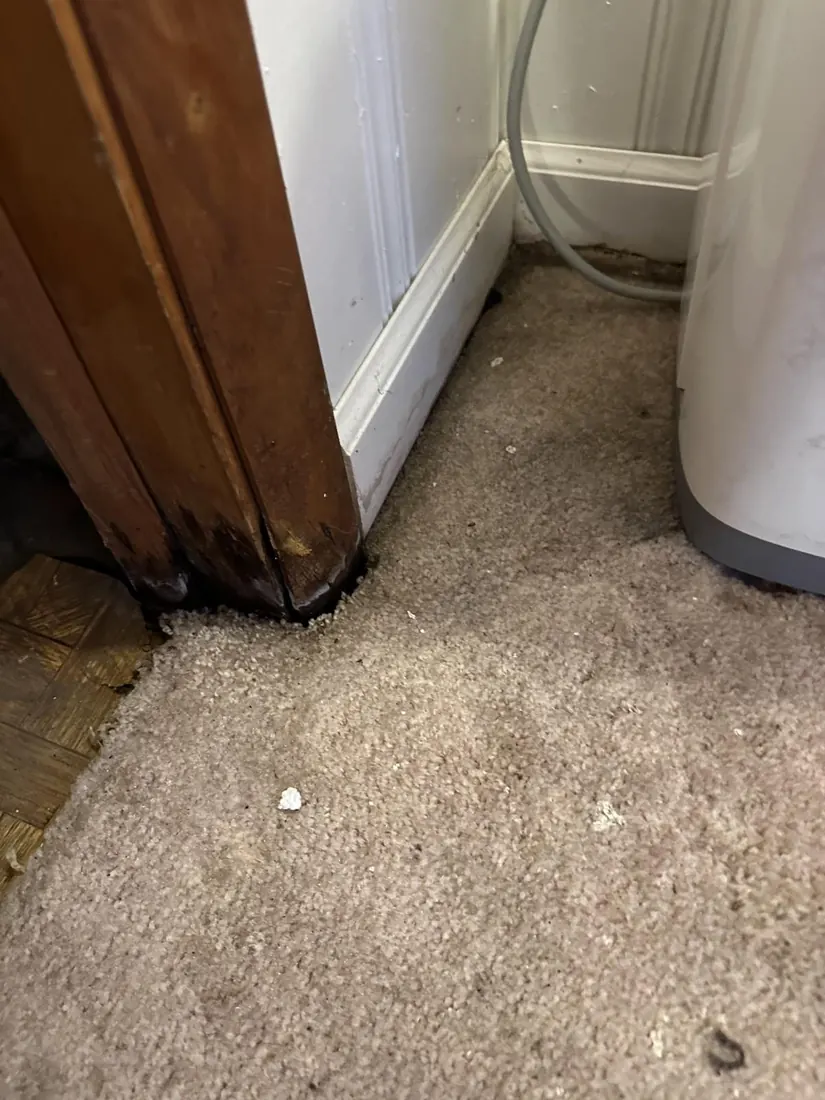
Many fine cracks in a basement floor slab are routine shrinkage and not dangerous on their own. Flooding matters because saturated soil and hydrostatic pressure put extra load on slabs and foundation walls, and because water entering through a crack signals a pathway that needs attention. Wide, offset, actively leaking or newly appearing cracks after a flood should be evaluated by a qualified structural professional, not self-diagnosed.
When the soil around and under a basement becomes saturated, the water in it pushes against the slab and walls. That pressure is why water can be forced up through the floor-wall joint or through cracks even with a working sump, and it is why rapidly pumping out a deeply flooded basement while the outside ground is still saturated can stress the structure. The pressure difference, lots of water outside, suddenly little inside, is a real, if uncommon, risk, which is why deep flooding is removed in a controlled way.
| Observation | Usually | Warrants professional evaluation |
|---|---|---|
| Thin hairline cracks, no offset | Common slab shrinkage | If actively leaking a lot of water |
| Crack that appeared after the flood | Worth monitoring | If widening, offset, or paired with wall cracks |
| Horizontal crack in a foundation wall | , | Yes, can indicate lateral soil pressure |
| Crack with vertical offset or a step | , | Yes, possible movement |
| Water pushing up through a crack | Indicates a pathway and pressure | Evaluate drainage and structure |
A water-damage restoration crew dries the basement and restores the finishes; it does not certify the structure. If a crack raises a genuine structural question, that is a job for a structural engineer or foundation specialist, a different trade, just as the pump is. What restoration does handle is the water that came through: verifying the slab and subfloor are dry with moisture readings before any new flooring goes down, because a damp slab fails whatever is laid over it.
This guide is general information for US homeowners, not a property-specific diagnosis, a pump-repair manual, a structural or electrical assessment, or insurance advice. Water category, salvage, drying time, cost and coverage depend on your specific situation and policy. MH Restoration provides cleanup and water damage restoration; pump, plumbing, electrical and drainage repairs are separate trades.
Tell us your city, water depth, and whether water is still coming in. We'll walk you through safe next steps and check cleanup availability in your area.
☎ (877) 919-1672 Request Basement Flood Cleanup