A flooded basement damages more than the building. It soaks the furniture, stored boxes, documents, electronics and keepsakes that were down there. Contents restoration is the part of sump pump flood cleanup focused on your belongings: assessing what can be cleaned and dried, what needs specialist treatment, and what cannot safely be saved, all documented so the contents side of your claim is covered.
Sump pump flood contents restoration starts with triage. Hard, non-porous items usually clean up well. Upholstered furniture, mattresses, stored cardboard and paper that absorbed floodwater, especially contaminated water, are much harder, and some cannot be reliably restored. Each category is assessed on the water it touched, how long it was wet, and whether it can be fully cleaned and dried.
A safety note that matters: electronics and appliances that were in the water should not be powered on until a qualified professional checks them. Switching them on can cause further damage or a shock hazard, and the instinct to 'just see if it still works' is exactly the wrong move.
| Item type | Typical outcome |
|---|---|
| Solid wood / non-porous furniture | Often cleaned, dried and saved. |
| Particleboard / upholstered furniture | Frequently not salvageable once swollen or contaminated. |
| Documents and photographs | May be saved with specialist drying; speed is critical. |
| Electronics and appliances | Must be assessed before power-on; some restorable, some not. |
| Textiles and soft goods | Laundered or specialty-cleaned where feasible; discarded if contaminated. |
| Stored cardboard boxes | Usually fail; contents are triaged individually. |
Salvageable contents are cleaned and dried using methods matched to the item and the water category. Documents and photographs may need specialist drying, and acting quickly improves the odds, because wet paper left in a clump can fuse together. When there is a lot to handle or the space needs to be cleared for restoration, contents may be moved off site, which is covered by contents pack-out and storage. The two services work hand in hand: pack-out moves and stores; contents restoration cleans and salvages.
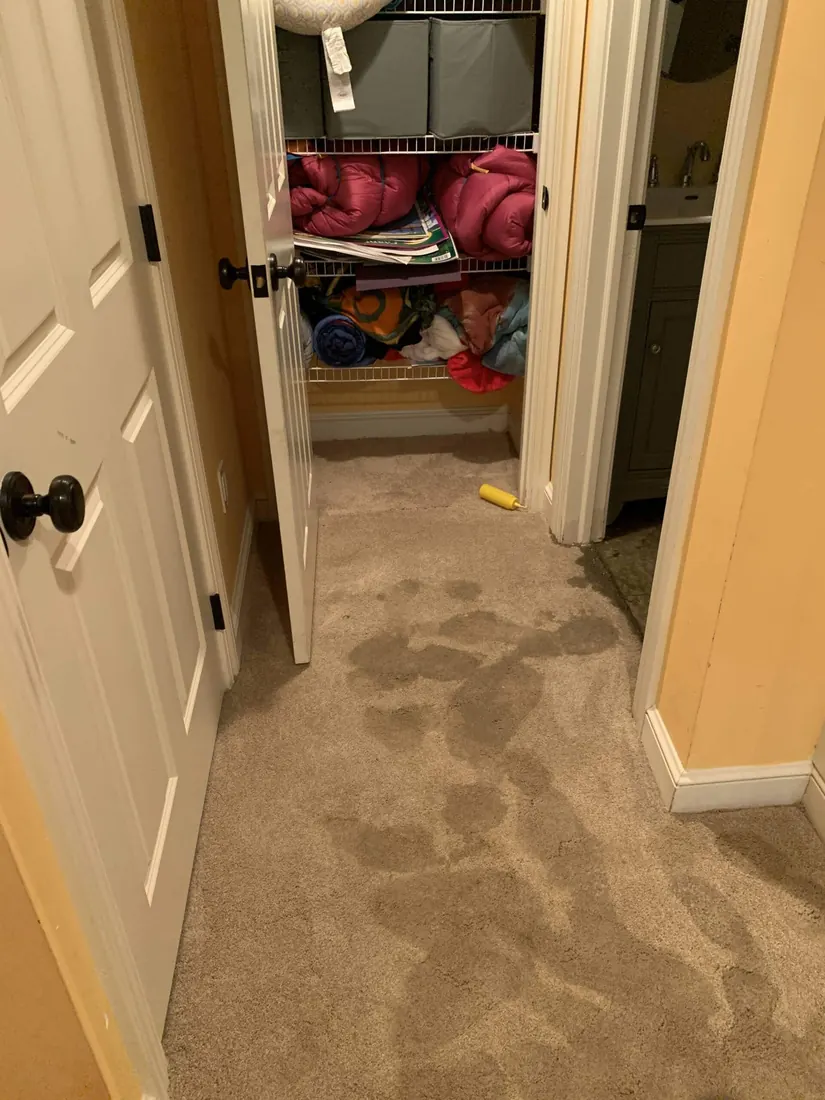
For anything that cannot be saved, documentation matters. An inventory with photos supports your insurance claim. We record what was affected and its condition so you have evidence for the contents portion of your loss, which is handled separately from the structure. That inventory is also what prevents the frustrating situation of forgetting items weeks later when it is too late to document them.
Imagine a basement used for storage and a home office, flooded by a pump failure. The triage: a solid-wood desk is cleaned and dried; a particleboard shelving unit that swelled is documented and discarded; a computer that sat in the water is set aside for professional assessment before anyone tries to power it; a box of photographs is prioritized for specialist drying before the images fuse; and a saturated area rug is evaluated for cleaning versus disposal. Everything removed is inventoried with photos for the claim. This is a representative example, not a specific completed project.
Contents work runs parallel to the structural job. It pairs with pack-out for logistics, follows the same category logic as cleaning and sanitization, and its documentation supports your insurance claim.
Basement flood recovery usually takes several of these working together.
Tell us your city, water depth, and whether water is still coming in. We'll walk you through safe next steps and check cleanup availability in your area.
☎ (877) 919-1672 Request Basement Flood Cleanup