Contaminated Floodwater Cleanup After Sump Pump Failure
Not all basement floodwater is clean. When a sump pump failure coincides with a sewer backup, prolonged standing water, or water that has run through soil and waste, the cleanup becomes a contaminated-water job, with containment, protective controls and careful disposal that ordinary cleaning does not involve. Getting the contamination level right is a health decision first and a restoration decision second.
Water is classed by how contaminated it is. Clean water from a sanitary source is one thing; water that carries significant contamination, from soil, from stagnation over days, or from a sewer backup, is handled as Category 2 or 3. Sump pump contaminated water cleanup applies when the source or the conditions push the water into that range.
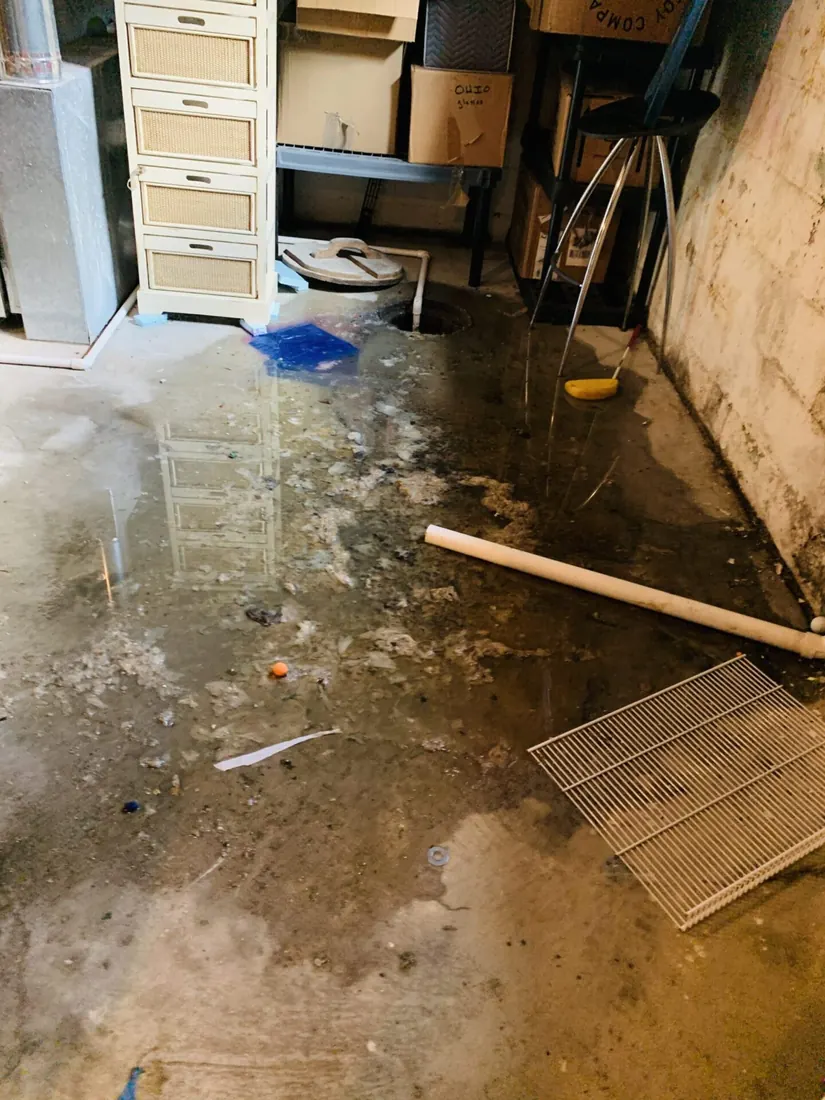
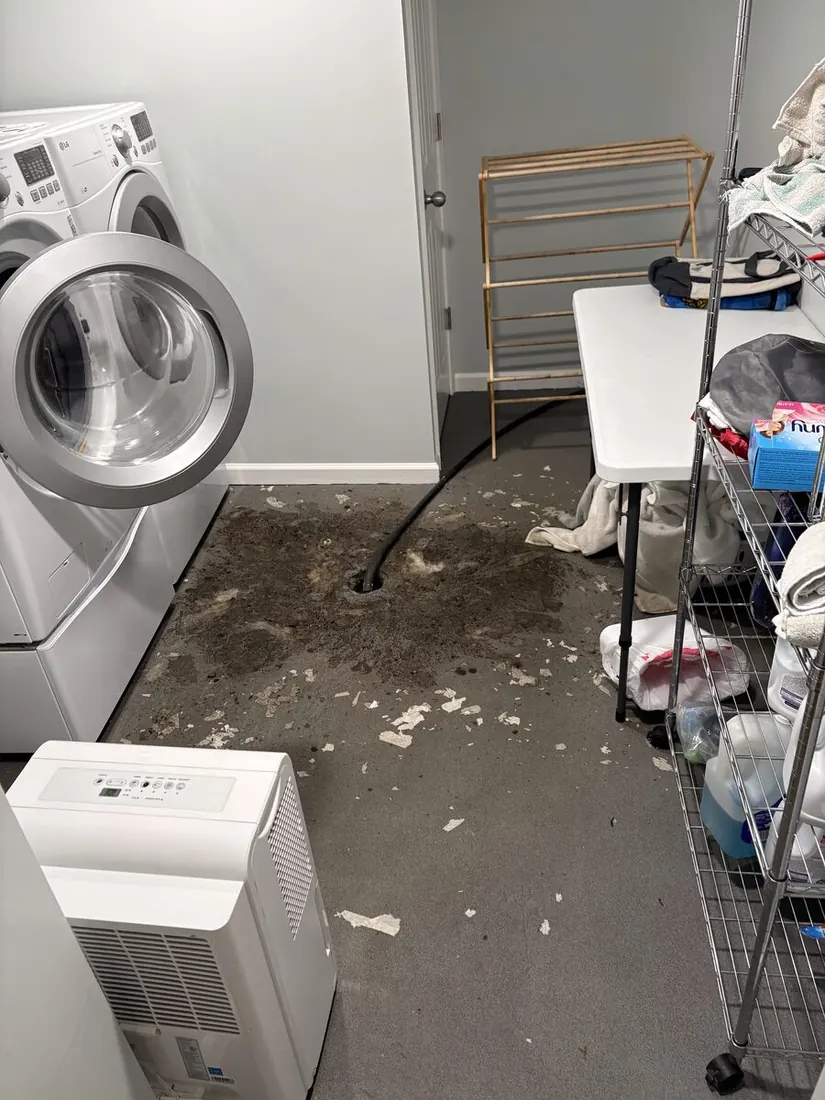
An important distinction: a failed sump pump and a sewer backup can look similar on the floor but are different problems. Water coming up through a floor drain is often wastewater, not sump overflow, and must be treated as contaminated until assessed otherwise. Mixing the two assumptions up is how people get hurt and how claims get mishandled.
Sewer backup is Category 3 water and is handled with containment, protective equipment and aggressive removal of porous materials.
How Contaminated Cleanup Differs
Containment to keep contamination from spreading to clean areas of the home.
Protective controls and PPE for everyone working in the area.
Aggressive material removal, because porous materials that absorbed contaminated water usually cannot be cleaned and must be removed.
Cleaning and sanitization of salvageable non-porous surfaces after removal.
Safe, compliant disposal of contaminated materials.
HVAC consideration, since systems can spread contamination if they run during the work.
The Contaminated-Water Process, Step by Step
Assess and classify. Confirm the source and treat the water as contaminated until proven otherwise.
Isolate the area. Establish containment and control traffic so contamination does not travel.
Extract the water with appropriate equipment and PPE.
Remove porous materials that absorbed contaminated water, bagging and disposing of them properly.
Clean and sanitize salvageable surfaces with category-appropriate methods.
Dry and verify the structure, the same as any flood, before anything is rebuilt.
Water coming up through a floor drain is often wastewater, not sump overflow, and is treated as contaminated until assessed otherwise.
Safety Comes First
Contaminated floodwater is a genuine health hazard. People and pets should stay out of the affected area, and HVAC that could spread contamination should be addressed. This work requires appropriate training, equipment and controls; it is not a DIY mop-up with household cleaners. Once contamination is removed and salvageable surfaces cleaned, the structure still has to be dried and verified like any other flood, coordinating with structural drying and confirmed with moisture readings.
An Illustrative Contaminated-Water Job
Picture a storm that overwhelms a sump pump while the municipal system surcharges, and water begins coming up through the basement floor drain as well as pooling from the pit. That floor-drain water is treated as Category 3. The job sets containment at the basement stairs, crews work in PPE, the saturated carpet, pad and lower drywall are removed and bagged, the slab and durable surfaces are cleaned and sanitized, and only then does drying begin. Contents are triaged separately. This is a representative example of how contaminated water is handled, not a specific completed project.
How do I know if my basement flood is contaminated?
Signs include a sewage odor, water coming up through a floor drain, visible debris or discoloration, or water that sat for days. But appearance is not reliable; the source and conditions are assessed on site, and water is treated as contaminated until confirmed otherwise.
Can anything be saved after a contaminated flood?
Hard, non-porous items can often be cleaned and sanitized. Porous materials that absorbed contaminated water, such as padding, saturated drywall, some insulation and many soft goods, are usually removed for safety. Decisions are documented based on the water category and material.
Is sewer backup covered by insurance?
It depends on your policy. Sewer or water-backup coverage is often a separate endorsement, and contaminated-water losses are documented carefully because causation and category affect the claim. We cannot determine coverage, but thorough documentation helps.
Can I clean up sewage water myself?
It is strongly discouraged. Category 3 water carries real health hazards and requires containment, PPE, proper removal and compliant disposal. Household cleaning does not make porous materials that absorbed sewage safe, and improper handling can spread contamination through the home.
Should the HVAC be turned off during contaminated cleanup?
Often yes, because a running system can draw contamination and spread it to other areas. HVAC handling is part of the assessment so the cleanup does not inadvertently distribute contaminants through the ductwork.
What's the difference between this and regular flood cleaning?
Regular flood cleaning handles clean or lightly affected water with surface cleaning. Contaminated-water cleanup adds containment, PPE, aggressive removal of porous materials and compliant disposal because the water carries significant or gross contamination.
Basement Flooded After a Sump Pump Failure?
Tell us your city, water depth, and whether water is still coming in. We'll walk you through safe next steps and check cleanup availability in your area.