When a sump pump fails, the clock starts the moment water touches the floor. Basement water extraction is the emergency first phase of sump pump flood cleanup: getting the standing water out quickly and safely with professional equipment, before it wicks deeper into your floors, walls and belongings. Pulling the water out is the start of restoration, not the finish, and doing it correctly protects everything that comes after.
Sump pump flood water extraction is the controlled removal of standing and absorbed water from a flooded basement using professional-grade equipment. For large volumes we use truck-mounted or high-capacity portable extractors; for deep water we use submersible pumps; and for the water already soaked into carpet and hard surfaces we use extraction tools that pull moisture up rather than just skimming the top. The goal is simple to state and hard to do well: remove the bulk water fast, so the drying phase can begin before moisture migrates into the structure.
A proper extraction visit is far more than running a pump in a corner. Before any water moves, we confirm the area is safe to enter, address electrical hazards, verify the water has actually stopped entering, and assess depth, access and the likely water source. Only then does removal begin, working methodically so no pocket of water is left behind under a cabinet, in a closet, or against a far wall where it will quietly keep causing damage.
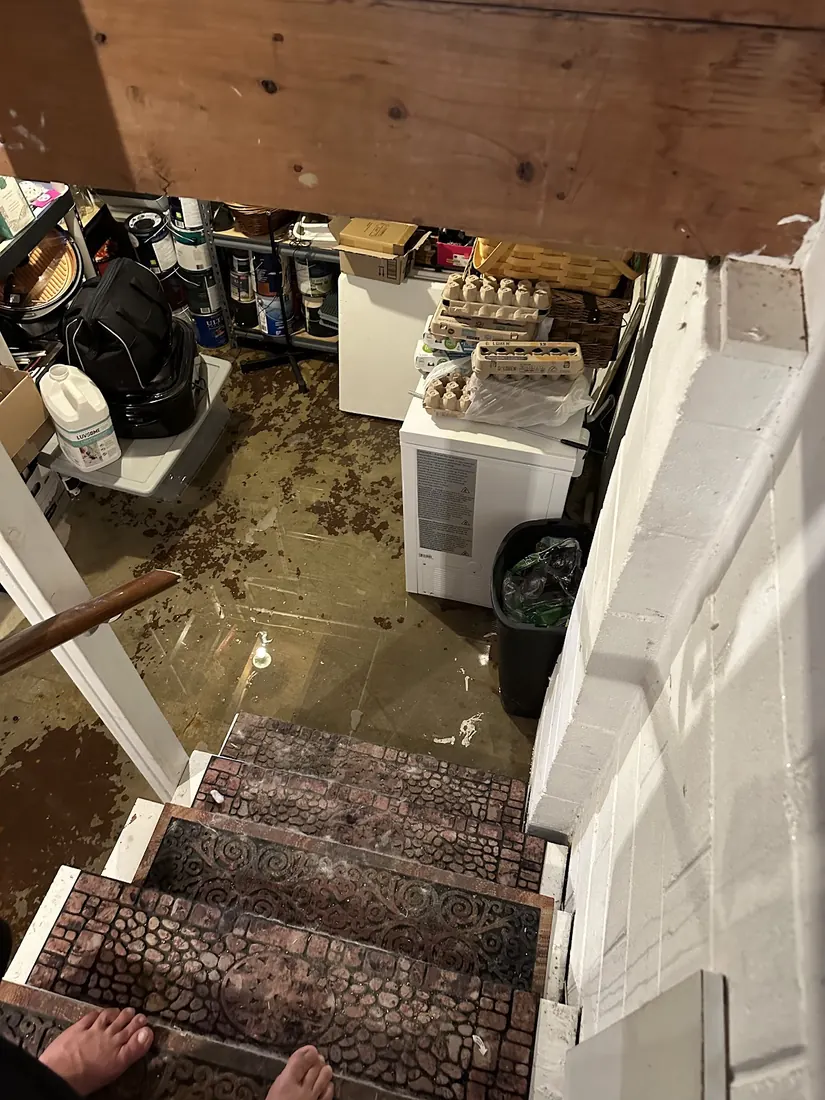
Not every wet basement needs a truck-mounted extractor, but these situations do, and acting on them quickly makes a real difference to how much is salvageable:
Each step is deliberate. Skipping the source check wastes effort against an active leak; skipping documentation can cost you on a claim; skipping the careful surface extraction leaves the dehumidifiers fighting far more moisture than they should have to.
The tool has to match the water. Here is what we reach for and why it beats a shop vacuum and a mop:
| Equipment | What it handles |
|---|---|
| Submersible pump | Deep standing water that a vacuum cannot keep up with. |
| Truck-mounted extractor | High-volume removal with strong lift for large affected areas. |
| Portable extractor | Tight-access basements, stairwells and finished rooms. |
| Carpet / weighted extraction tools | Pulling water up through carpet and from the pad interface. |
The capacity and lift of professional equipment is the difference between a basement that starts drying today and one that stays saturated for days. The faster the bulk water is gone, the shorter and cheaper the drying phase that follows.
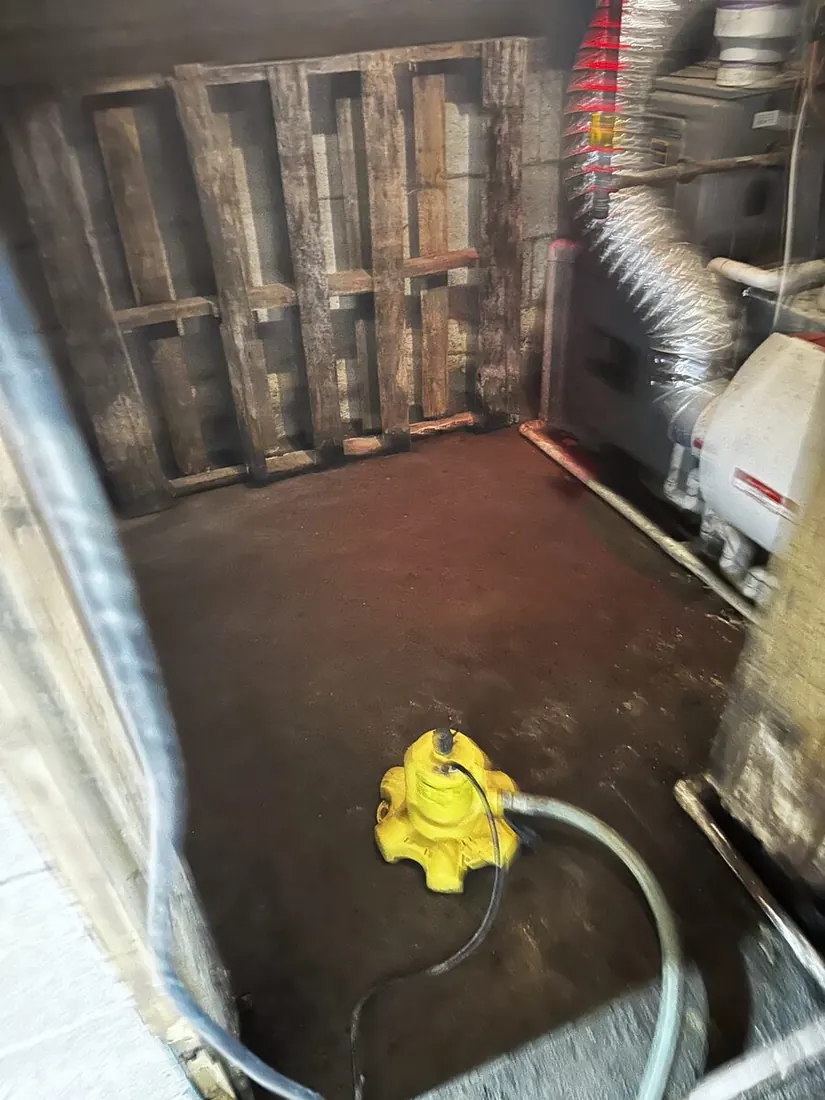
No, and this is the single most important thing to understand about extraction. Removing standing water takes out the bulk moisture, but water has already wicked into carpet padding, the bottom of drywall, the subfloor and the framing. Those materials can stay wet for days and will grow mold or warp a floor if they are not actively dried. The EPA points to a rough 24 to 48 hour window for drying wet materials where possible to reduce mold risk, which is exactly why extraction hands off immediately to structural drying and moisture detection.
A crew that pumps the water and leaves has done a fraction of the job. The water you can see is the easy part; the moisture you cannot is what causes the expensive second problem.
Picture a finished basement discovered the morning after an overnight storm knocked out power: roughly four inches of water across about 600 square feet of carpet, the furnace and water heater standing in it. On a job like this, the first move is confirming power is safely off and the water has stopped rising, not grabbing a pump. Documentation follows, then submersible pumps clear the deep water and a truck-mount extractor takes the carpet down to damp. Within the first visit the standing water is gone and air movers and dehumidifiers are staged, with the furnace and water heater flagged for a qualified technician before anyone powers them on. This is a representative example of how the work unfolds, not a specific completed project.
Extraction is step one of a longer sequence. It leads straight into moisture detection and structural drying, and it sets up the material decisions that follow, including carpet salvage and any material removal. If you want one service that manages the whole project end to end, that is sump pump water damage restoration.
Basement flood recovery usually takes several of these working together.
Tell us your city, water depth, and whether water is still coming in. We'll walk you through safe next steps and check cleanup availability in your area.
☎ (877) 919-1672 Request Basement Flood Cleanup