Once the water is out, the structure is dried and verified, and damaged materials are removed, a flooded basement still has to be put back together. Flood damage restoration is the reconstruction stage, rebuilding drywall, flooring, trim and finishes, and it is deliberately kept separate from the mitigation work that comes before it, so your costs stay transparent and nothing gets closed up wet.
This distinction matters because it affects your estimate and your claim. Mitigation is the emergency work, extraction, drying, cleaning and removal, that stops the damage from spreading. Reconstruction is rebuilding what was removed or ruined. Sump pump basement flood damage restoration is this second stage, and it only starts once the structure is documented dry.
A finished basement should never be rebuilt just because the surface looks dry. Closing up a wet cavity traps moisture and grows mold behind brand-new drywall, which turns a cleanup into a demolition a few months later. Reconstruction follows verified moisture readings, not appearance. This is the rule that protects your rebuild.
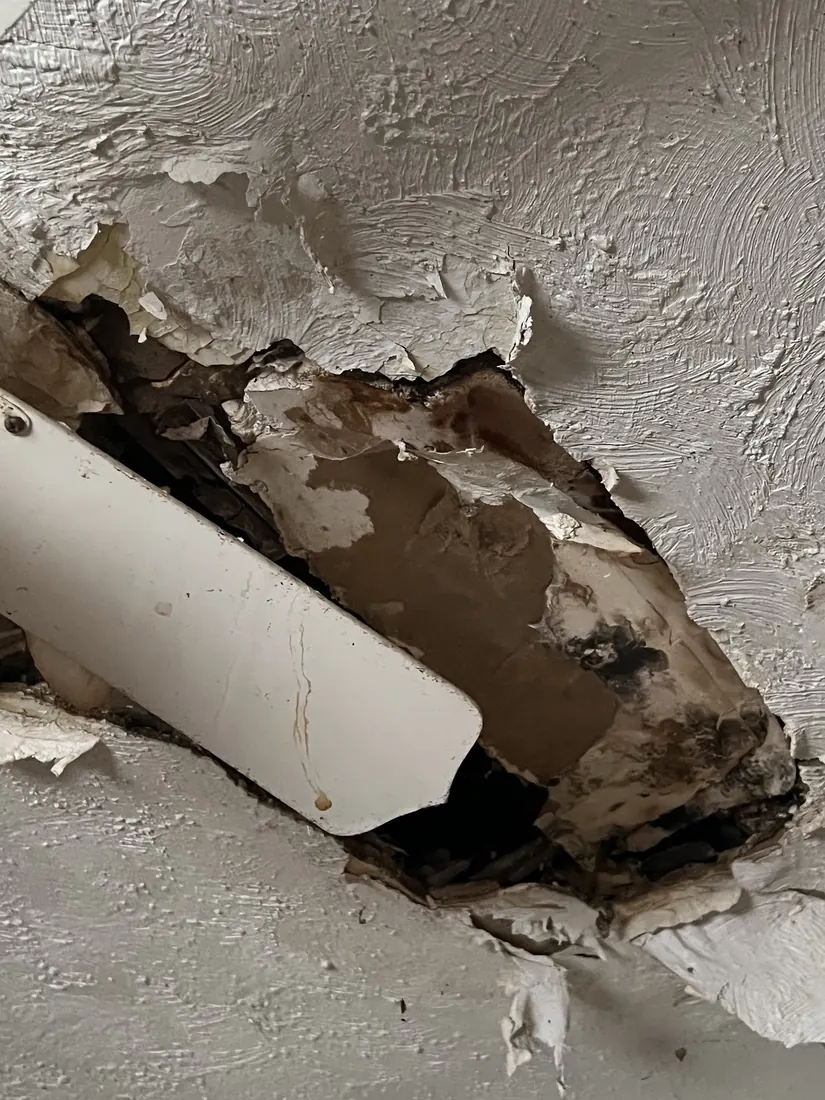
Scope is matched to the actual damage and the condition of what remains, not an automatic full gut. If a wall only needed a flood cut, only that portion is rebuilt.
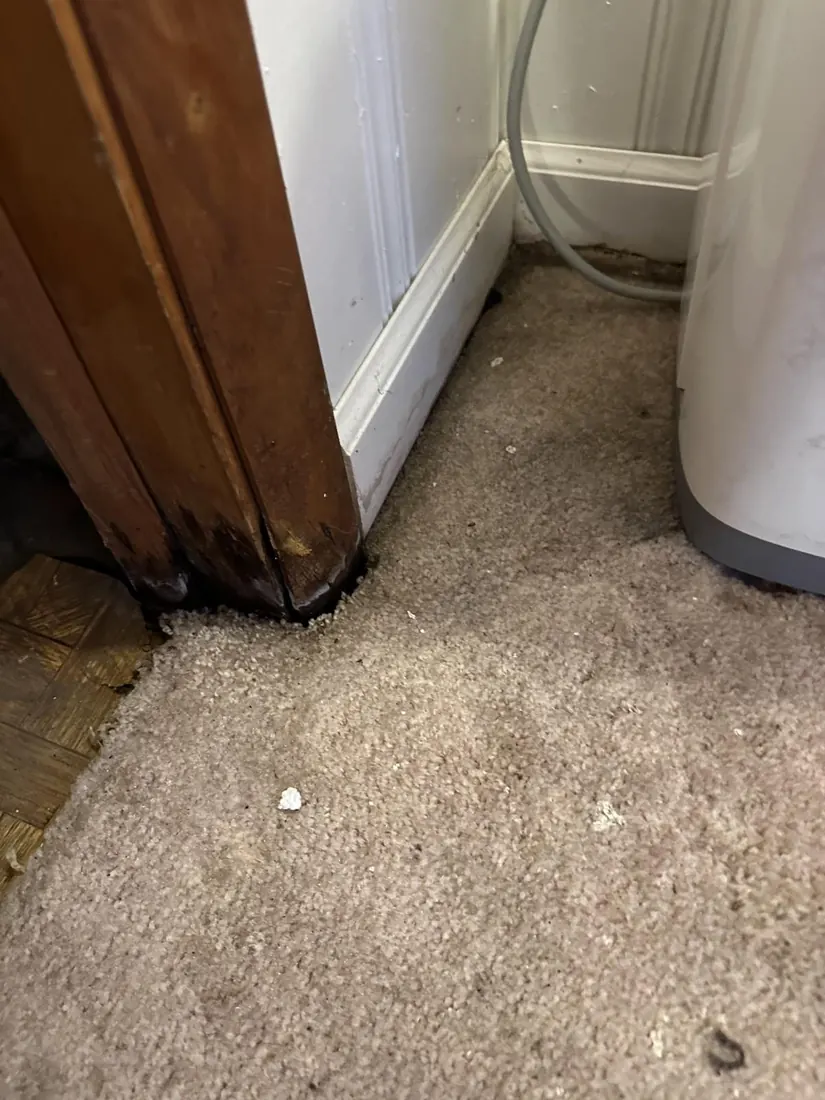
People use the word restoration loosely. Our sump pump water damage restoration page covers the full mitigation project from assessment through verified dry. This page is the rebuild that happens afterward. Keeping them separate lets you see each cost clearly and stage the work. Some homeowners complete mitigation under urgency and plan reconstruction around their insurance settlement and budget, which is a sensible way to manage a large loss.
Take a finished basement after mitigation: the lower drywall was flood-cut, the pad and a swollen laminate floor were removed, the framing and slab are now verified dry. Reconstruction installs new insulation in the opened walls, hangs and finishes drywall to match, lays new flooring over the dry slab, reinstalls baseboards and doors, and repaints. The scope follows exactly what was removed, so the family gets their basement back without paying for a gut that was never needed. This is a representative example, not a specific completed project.
Reconstruction is the final stage, following material removal, verified drying and moisture confirmation. It includes specialist rebuilds like drywall repair and flooring restoration.
Basement flood recovery usually takes several of these working together.
Tell us your city, water depth, and whether water is still coming in. We'll walk you through safe next steps and check cleanup availability in your area.
☎ (877) 919-1672 Request Basement Flood Cleanup