After the water is out and the structure is drying, affected surfaces usually need cleaning, and how that is done depends entirely on what was in the water. Clean groundwater, water that touched dirty surfaces, and sewer backup all call for different cleaning. Sump pump basement flood cleaning and sanitization is scoped to the water category, not applied as a blanket spray, because the wrong approach either misses a hazard or wastes money.
Sump pump basement flood cleaning starts with the question the whole job depends on: what was in the water? Water categories describe how contaminated water is, and they change the cleaning and safety requirements completely. Category 1 is water from a clean source; Category 2 carries significant contamination; Category 3 is grossly contaminated, such as sewage. Water that started clean can also degrade over time as it sits and contacts soil, debris or building materials.
We assess the source and category first, then scope cleaning accordingly, from straightforward surface cleaning of durable materials to full contaminated-water procedures where the situation calls for it. Treating clean water as sewage wastes money; treating sewage as clean water is a health risk. The category decision prevents both.
| Material | Typical approach |
|---|---|
| Sealed concrete, metal, finished wood, plastics | Usually cleanable and salvageable with category-matched cleaning. |
| Carpet | Depends on category, exposure and condition; sometimes cleanable, often not after contamination. |
| Carpet padding | Rarely cleanable after real saturation; usually removed. |
| Saturated drywall and porous insulation | Generally removed rather than cleaned, especially with contamination. |
Porous materials that soaked up contaminated water usually cannot be reliably cleaned and are removed instead, which overlaps with material removal. The decision is based on the material, the contamination and whether the item can be fully cleaned and dried, not on a fixed rule.
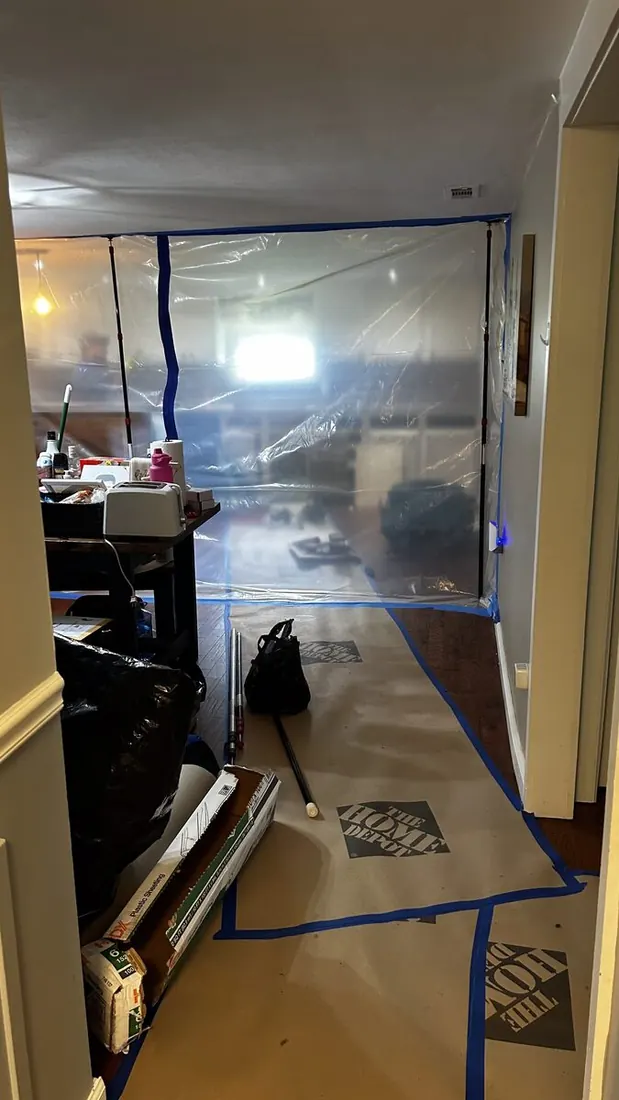
A clean surface over a wet cavity is still a mold risk, so cleaning and sanitization happen in coordination with drying, never instead of it. We also do not mask odor with fragrance. If a basement still smells after cleaning, that points to moisture or contamination that needs addressing, which is the job of odor removal. Sanitizing the surface and leaving the source is a short-lived fix.
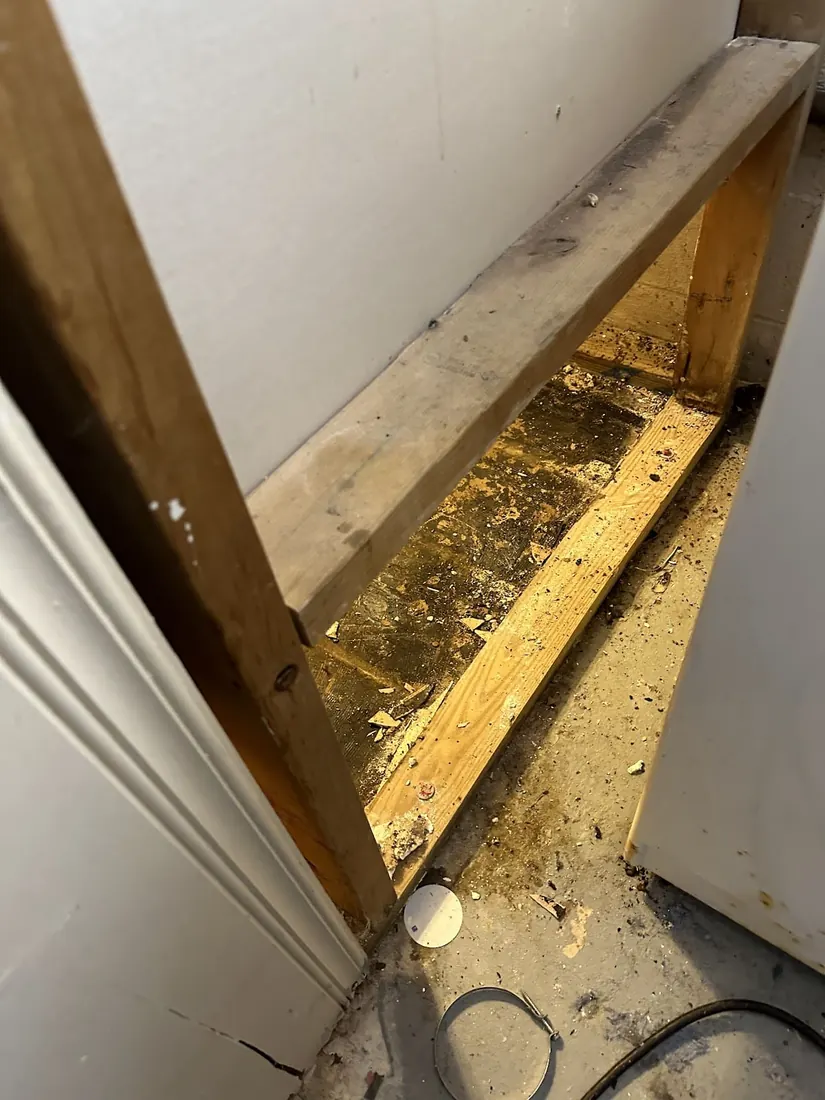
Take a basement where a pump failure let in clean groundwater that then sat for two days against a concrete floor and the base of painted drywall. The water started as Category 1 but degraded with time and contact. The plan: confirm the current category, set floor protection, remove the saturated carpet pad, clean the slab and durable surfaces with category-appropriate products, apply an antimicrobial where warranted, and run it all alongside drying so nothing is sealed up damp. This is a representative example of how cleaning is scoped, not a specific completed project.
Cleaning follows extraction and runs with drying. It escalates to contaminated-water cleanup when the category calls for it, and connects to odor removal and mold remediation where growth has started.
Basement flood recovery usually takes several of these working together.
Tell us your city, water depth, and whether water is still coming in. We'll walk you through safe next steps and check cleanup availability in your area.
☎ (877) 919-1672 Request Basement Flood Cleanup