Search for how to clean a sump pit and you will find one site recommending diluted bleach, another suggesting vinegar, and a third telling you not to pour either into a pit with the pump installed. The conflict is real, and it exists because the right answer depends on your specific equipment and where the water goes, not on a one-size recipe. There are, however, clear safety lines everyone should respect.
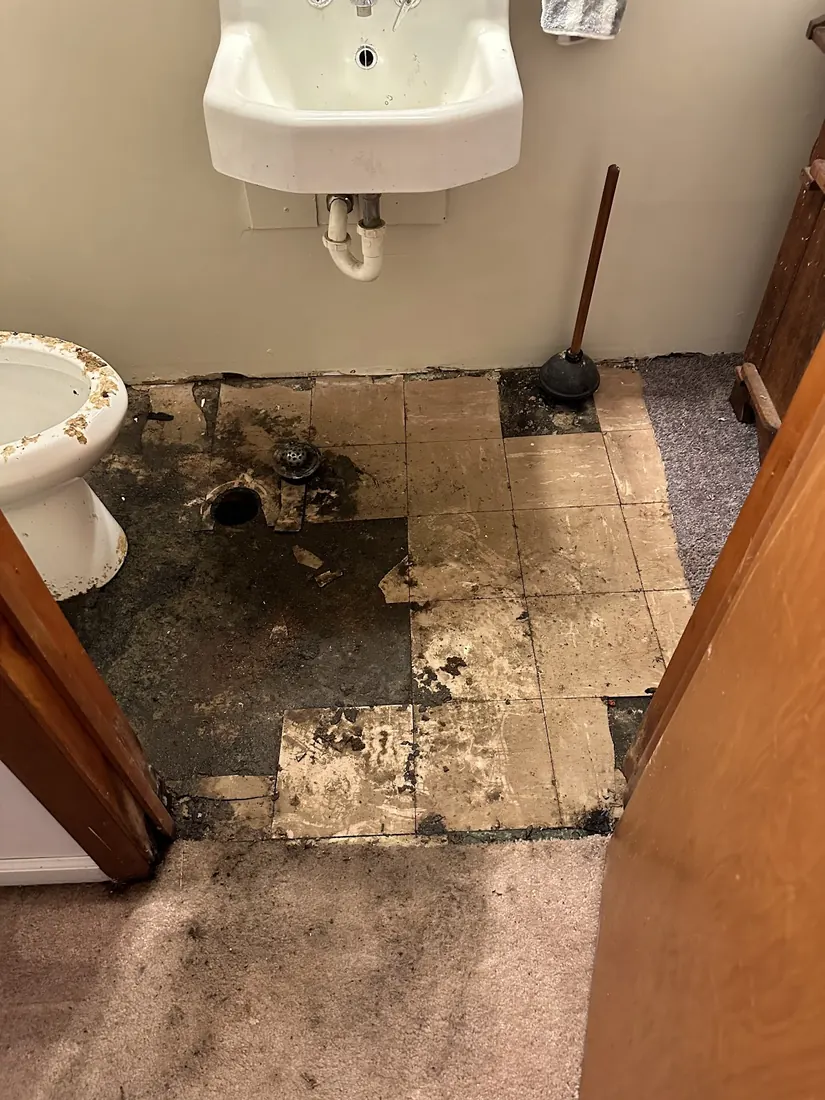
There is no universal chemical you should pour into a sump pit. The correct approach is manufacturer-first and safety-first: follow the installed pump's instructions, start with mechanical removal of sediment rather than chemicals, never mix bleach with vinegar or other cleaners, and consider where the discharge goes before adding anything. Conflicting online advice reflects different equipment and assumptions, not a single safe formula.
Different sources assume different things, a different pump material, a different discharge destination, a different definition of "cleaning." Some address odor, some address iron or sediment, some are written for a specific product. None of that makes a given chemical safe for your system. A pump that discharges to a storm drain, a dry well or the yard raises different questions than one tied into other drainage, and plastics, seals and metals vary in what they tolerate.
The CDC is explicit that bleach must not be mixed with vinegar, acids, ammonia or other cleaning products, because the combination can produce dangerous gases. A sump pit is a confined, low area in your home; it is the last place you want to create a chemical reaction. If you use any product, use it alone, per its label, with ventilation, never combined with "a little vinegar too."
A foul smell from a pit may be stagnant debris, or it may signal a different problem, a backup, a contamination source, or a system fault. Masking it with bleach does not fix the cause. If the water smells like sewage, that points toward contamination and possibly a sewage ejector rather than a groundwater sump, which is a plumber's call; see is sump pump water clean or contaminated.
If the pit smells because the sump overflowed and water sat in the basement, the real issue is the wet basement, not the pit chemistry. Cleaning products do nothing for soaked drywall or carpet. In that case the pit is a maintenance item for a pump specialist, and the damage is handled by flood cleaning and sanitization scoped to the actual conditions, with moisture readings guiding what is wet. For the broader maintenance limits, see cleaning a sump pump without removing it.
This guide is general information for US homeowners, not a property-specific diagnosis, a pump-repair manual, a structural or electrical assessment, or insurance advice. Water category, salvage, drying time, cost and coverage depend on your specific situation and policy. MH Restoration provides cleanup and water damage restoration; pump, plumbing, electrical and drainage repairs are separate trades.
Tell us your city, water depth, and whether water is still coming in. We'll walk you through safe next steps and check cleanup availability in your area.
☎ (877) 919-1672 Request Basement Flood Cleanup