Not every wet basement needs a restoration crew, and not every one is safe to handle with a shop vacuum and a box fan. The useful question is not whether you are handy; it is what the water is, how much of it there is, and what it has already soaked into. A few honest tests tell you which side of the line you are on.
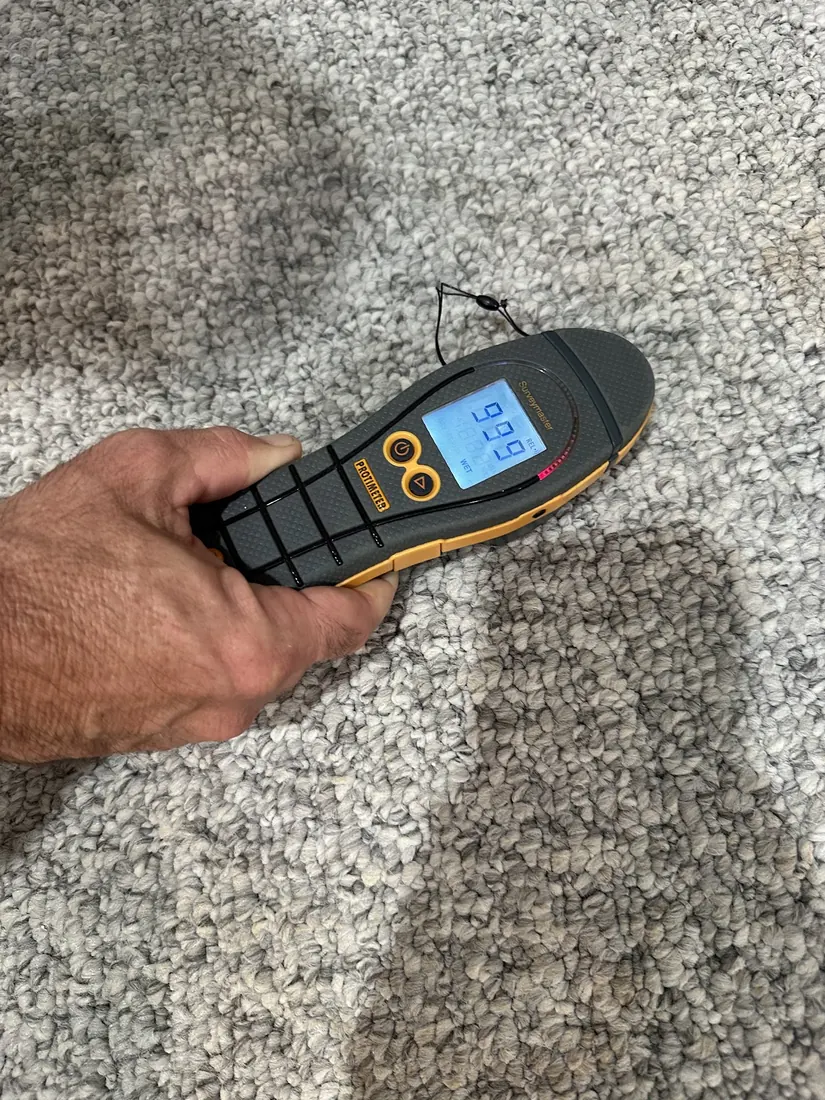
A small, clean, promptly discovered spill on hard, electrically safe surfaces can often be handled DIY. Significant water, any contamination, finished materials like carpet and drywall, hidden moisture, or any electrical hazard move the job to professional cleanup. The deciding factors are water category, volume, what it soaked and safety, not confidence.
| Factor | DIY may be reasonable | Call a professional |
|---|---|---|
| Water category | Clean source, no contamination | Any sign of sewage, floor-drain backup or contamination |
| Volume | A thin, contained layer | Inches of standing water or a large area |
| Materials | Sealed concrete, hard surfaces | Carpet and pad, drywall, insulation, finished basement |
| Timing | Caught within hours | Sat for a day or more |
| Electrical | No outlets, cords or panel in the water | Any chance the water is energized |
| Hidden moisture | None suspected under floors or in walls | Moisture may be trapped in subfloor or wall cavities |
For a minor, clean spill, prompt removal with a water-rated vacuum plus strong airflow and a dehumidifier can be enough. What a homeowner cannot easily do is verify that framing, subfloor and wall cavities have reached a dry standard, or handle contaminated water safely, or size and place drying equipment for a real flood. Professional extraction and drying exist for exactly those gaps. A fan is not a dehumidifier, and fingertips are not a moisture meter.
Many losses are a mix: you safely clear the standing water to stop it spreading while a professional assesses what is wet and whether materials can be saved. That is sensible, provided the safety and contamination rules above are respected. If you want to see what a full professional job actually involves before deciding, read the restoration process and timeline.
This guide is general information for US homeowners, not a property-specific diagnosis, a pump-repair manual, a structural or electrical assessment, or insurance advice. Water category, salvage, drying time, cost and coverage depend on your specific situation and policy. MH Restoration provides cleanup and water damage restoration; pump, plumbing, electrical and drainage repairs are separate trades.
Tell us your city, water depth, and whether water is still coming in. We'll walk you through safe next steps and check cleanup availability in your area.
☎ (877) 919-1672 Request Basement Flood Cleanup