When a basement with a sump pump floods, it is tempting to blame the pump and stop there. But the pit is only one of several ways water gets into a below-grade space, and the source decides everything that follows: who you call, whether the water is contaminated, and how your insurance treats it. Getting the source right is the first real step of a sensible cleanup.
Water in a basement with a sump pump can come from the pit overflowing, from groundwater seeping through the foundation, from surface runoff at a window well, from a plumbing leak, or from a sewer or floor-drain backup. These look similar on the floor but are different problems with different fixes, contamination levels and insurance treatment, so the source has to be identified, not assumed.
| Source | Typical signs | What it usually means |
|---|---|---|
| Sump pit overflow | Water highest at and spreading from the pit | Pump, power, discharge or capacity problem. |
| Foundation seepage | Water at the wall-floor joint, damp masonry, worse during rain | Hydrostatic pressure, grading or drain-tile issue. |
| Window well | Water pooling below a window, runoff after heavy rain | Surface drainage, a clogged or failed well drain. |
| Plumbing leak | Clean water unrelated to weather, localized near a pipe or fixture | A supply or drain line, not the sump at all. |
| Sewer / floor-drain backup | Water rising from a floor drain, possible odor | Wastewater, a contamination concern. |
A normal groundwater sump collects water from footing drains and pushes it away from the house. A sewage ejector is a different system that lifts wastewater from basement fixtures. They can look alike in a utility area, but they are not interchangeable: a groundwater pit is not built to handle toilet waste. If the basin is sealed or tied to a basement bathroom, have a plumber identify it before anyone opens or cleans it, because the contamination picture is entirely different.
Two things happening at once is not proof one caused the other. A homeowner may find a failed pump and water on the floor and conclude the pump caused all of it, when some or all of the water actually came through the foundation wall. This distinction is not academic: it can change how a claim is handled, because policies often treat sump overflow, groundwater seepage and sewer backup differently. We cannot determine coverage, but the point is covered further in does insurance cover sump pump failure.
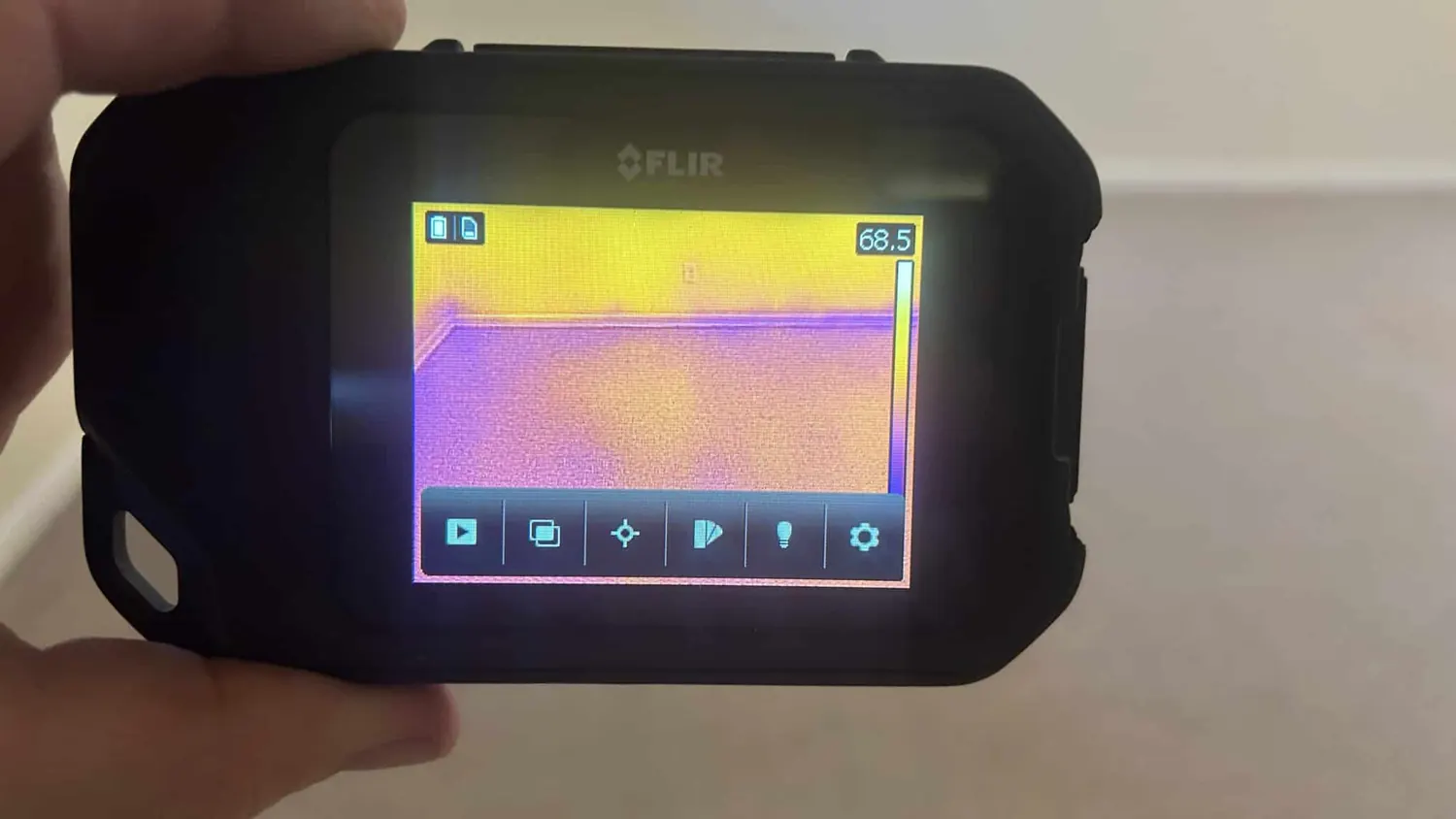
Finding the entry point combines observation, moisture mapping and thermal imaging, and timing (does it track with rainfall, with fixture use, or neither?). Thermal imaging flags cool patterns that suggest where water travels; a meter confirms it. Once the source is understood, correcting it is a job for the right trade, a pump or drainage specialist for the sump and foundation drainage, a plumber for a leak or a backup, while the resulting damage is handled by contaminated-water cleanup or standard restoration depending on what the water turned out to be.
This guide is general information for US homeowners, not a property-specific diagnosis, a pump-repair manual, a structural or electrical assessment, or insurance advice. Water category, salvage, drying time, cost and coverage depend on your specific situation and policy. MH Restoration provides cleanup and water damage restoration; pump, plumbing, electrical and drainage repairs are separate trades.
Tell us your city, water depth, and whether water is still coming in. We'll walk you through safe next steps and check cleanup availability in your area.
☎ (877) 919-1672 Request Basement Flood Cleanup