Mold is the delayed cost of a basement flood that was not dried fast or thoroughly enough. It needs moisture and little else, it often grows where you cannot see it, and by the time there is a smell or a visible patch it has usually spread. The good news is that the conditions it needs are controllable, which is also why removing mold without fixing the moisture never holds.
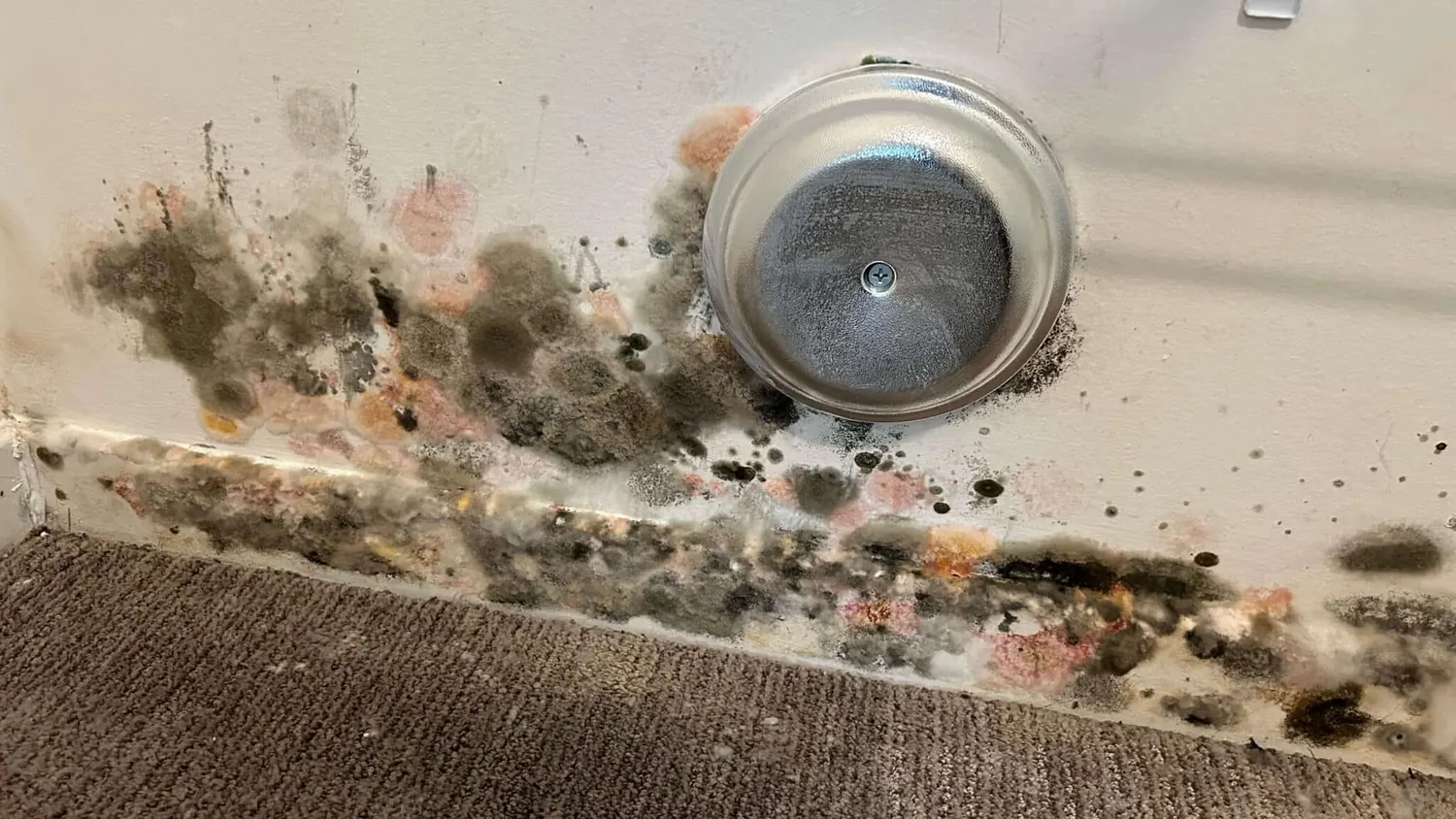
Mold can begin growing within a couple of days of a sump pump flood if wet materials are not dried, and it frequently hides behind drywall, under carpet padding and in wall cavities. The EPA recommends drying wet materials within about 24 to 48 hours where possible to reduce the risk, which is guidance to act fast, not a precise deadline. Effective remediation always pairs removing the growth with drying the moisture source, or it comes back.
The EPA's widely cited 24 to 48 hour figure is a prompt-drying recommendation: dry wet materials within that window where possible to limit mold growth. It is not a guarantee that mold appears exactly at hour 48, and it does not mean anything dried in time is automatically safe. Read it as a reason to start drying quickly, not as a clock you can race and then relax.
Because the growth is so often concealed, a moisture inspection usually comes first to find where it is, and a musty smell with no visible mold still warrants a look. A visible patch is frequently the smallest part of the problem.
| Step | Purpose |
|---|---|
| Containment | Keep spores from spreading to clean areas during the work |
| Remove unsalvageable porous materials | Saturated moldy drywall, insulation and padding that cannot be cleaned |
| Clean salvageable surfaces | Appropriate methods and protective equipment |
| Dry the moisture source | Remove the conditions that grew the mold in the first place |
| Verify | Confirm the area is clean and dry before closing it up |
The point that most cheap fixes miss: mold grew because something stayed wet. Scrubbing the surface and leaving the moisture guarantees it returns. That is why mold remediation is paired with drying the structure and resolving the source, and why wet drywall and insulation are opened and verified rather than painted over.
Both, which is why we keep the advice conservative and do not diagnose. Visible or suspected mold after a flood is addressed by removing affected porous materials, cleaning salvageable surfaces and drying the source. Where remediation requires licensing in a given area, it is performed only by those qualified. The contamination of the original water also matters here, see is sump pump water contaminated.
This guide is general information for US homeowners, not a property-specific diagnosis, a pump-repair manual, a structural or electrical assessment, or insurance advice. Water category, salvage, drying time, cost and coverage depend on your specific situation and policy. MH Restoration provides cleanup and water damage restoration; pump, plumbing, electrical and drainage repairs are separate trades.
Tell us your city, water depth, and whether water is still coming in. We'll walk you through safe next steps and check cleanup availability in your area.
☎ (877) 919-1672 Request Basement Flood Cleanup