Storms are when a sump pump is needed most and also when it is most likely to be beaten. Sometimes the pump truly fails; just as often it runs flat out and still cannot keep pace with the water arriving. Understanding which one happened tells you whether you need a pump specialist, a drainage fix, or simply faster cleanup, and usually more than one.
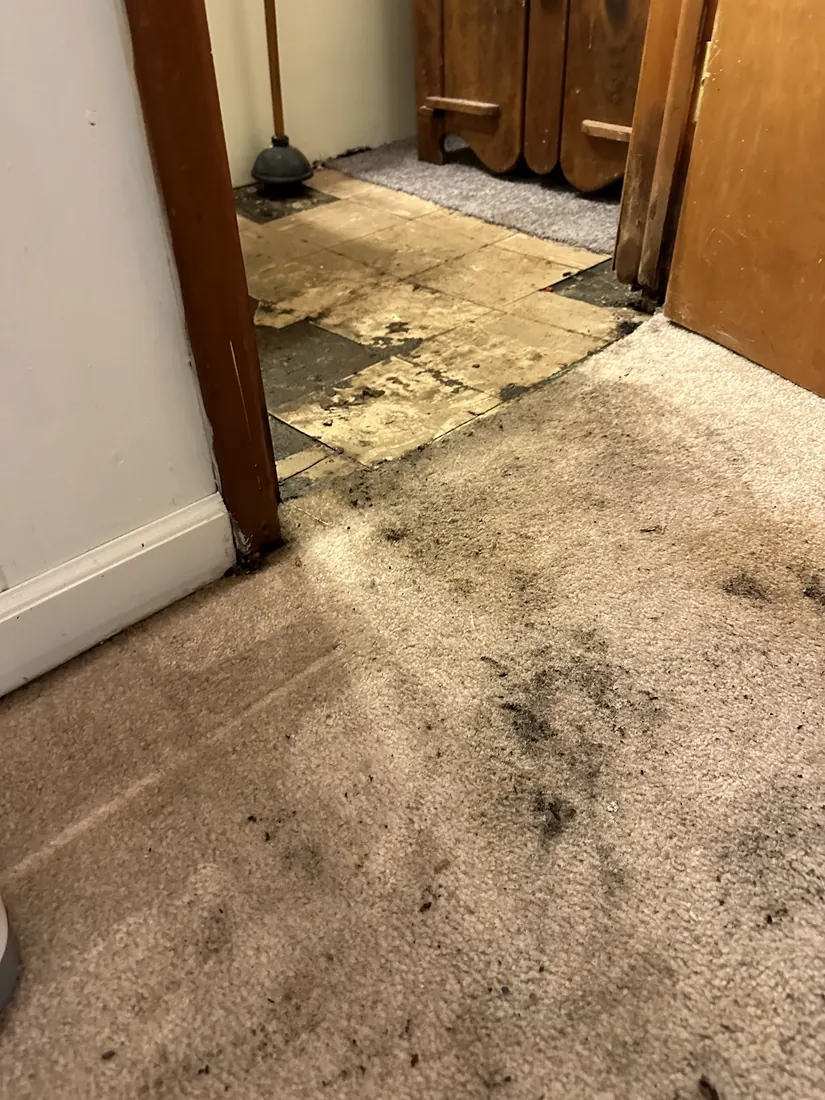
Heavy rain overwhelms a sump system when water enters the basin faster than the installed pump and its discharge line can move it out. A power outage, a jammed float, a blocked or frozen discharge, or an undersized setup makes it worse, and water can also enter a basement through other pathways while the pump runs normally. A running pump is not proof the basement is protected in a storm.
These get lumped together as "the sump pump failed," but they call for different responses:
Labeling all three "failed sump pump" leads to the wrong fix. If your pump was clearly running, read why a basement floods even though the pump is running.
The same storm that drives groundwater toward your foundation often knocks out the electricity the pump depends on. A battery backup helps, but backups have limited run time and batteries quietly age out, so a backup that was installed years ago may not last the outage. During an outage, never run a fuel generator indoors or in the garage; per the CDC, generators belong well outside, away from the building and openings.
A pump's real output is not its advertised maximum. Actual flow depends on how high it has to lift the water (vertical head), the length and diameter of the discharge pipe, fittings and the check valve. A long or restrictive discharge run cuts delivery well below the box figure. And if the discharge outlet dumps too close to the foundation, that water can soak back down and recirculate toward the pit. South Dakota State University Extension specifically warns about poorly placed discharge sending water back toward the house.
| Storm factor | Effect on the system |
|---|---|
| Saturated soil | Drives more groundwater to the foundation faster than drier conditions. |
| Power outage | Stops an electric pump unless a maintained backup carries the load. |
| Frozen or blocked discharge | Pump runs but water has nowhere to go. |
| Discharge too close to the house | Water recirculates toward the pit, worsening inflow. |
Safety first, same as any overflow: stay off energized water, confirm whether water is still entering, document, then move to cleanup. Because storm flooding can be deep and the ground outside stays saturated, pumping a deeply flooded basement out too fast can stress the walls and floor, so deep water is removed in a controlled way, not emptied all at once. Once water stops arriving, the extraction and structural drying begin, and moisture readings confirm when the structure is actually dry. To reduce the odds of a repeat next storm, see how to prevent another sump pump basement flood.
This guide is general information for US homeowners, not a property-specific diagnosis, a pump-repair manual, a structural or electrical assessment, or insurance advice. Water category, salvage, drying time, cost and coverage depend on your specific situation and policy. MH Restoration provides cleanup and water damage restoration; pump, plumbing, electrical and drainage repairs are separate trades.
Tell us your city, water depth, and whether water is still coming in. We'll walk you through safe next steps and check cleanup availability in your area.
☎ (877) 919-1672 Request Basement Flood Cleanup