Emergency basement flood cleanup after sump pump failure, check availability in your area ☎ Call (877) 919-1672
Sump Pump Flood Cleanup Service

Flood Damage Odor Removal After Sump Pump Failure

That musty basement smell after a flood is not just unpleasant, it is information. Persistent odor almost always means moisture or contamination is still present somewhere. Real odor removal finds and fixes the source; it does not spray fragrance over a wet wall and call it done. If the smell keeps coming back, the problem was never the smell.

Odor Is a Symptom, Not the Problem

A musty, earthy smell after a sump pump flood usually traces back to one of three things: moisture still trapped in materials, microbial growth that has already started, or contamination left behind from the floodwater. Sump pump flood odor removal treats odor as a diagnostic clue. We find why the basement smells before deciding how to treat it, because the treatment depends entirely on the cause.

That means checking for hidden moisture, inspecting for mold, and confirming the water source and contamination. Masking the smell without addressing the cause just hides a problem that keeps growing.
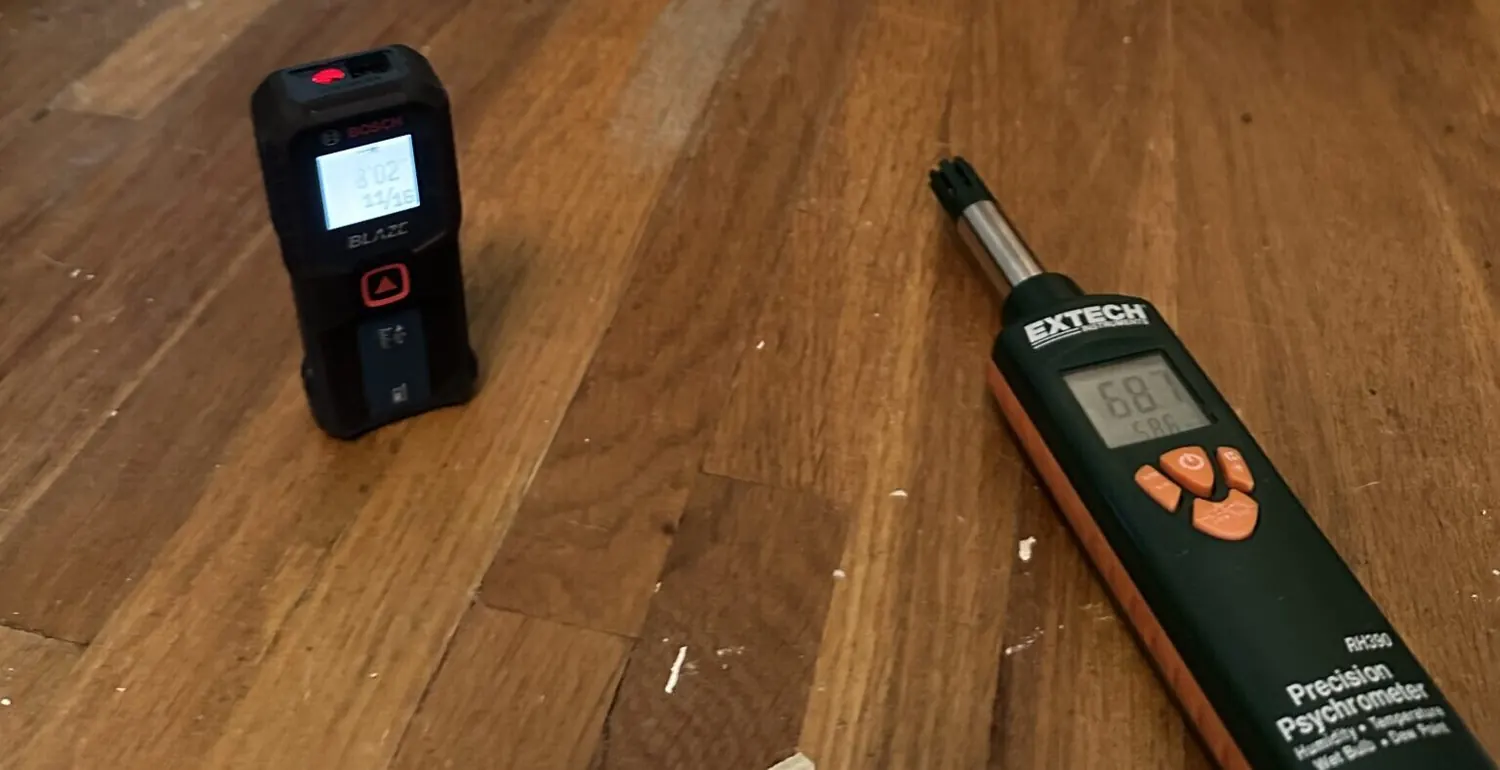
Mold on drywall assessed with a hygrometer and moisture meter, the source behind a musty odor
A musty smell usually traces to trapped moisture or growth; instruments find the source that fragrance would only hide.

Common Sources of Post-Flood Odor

SourceWhat it points to
Trapped moistureIncomplete drying in a cavity, under flooring or in the subfloor.
Microbial growthMold or bacteria that started while materials were wet.
Residual contaminationCategory 2 or 3 water residue left on or in materials.
Saturated porous materialsPad, insulation or drywall that held odor-causing moisture.

How Odor Is Properly Removed

  1. Find the source, trapped moisture, mold, or residual contamination.
  2. Dry or remove it, finish drying wet materials or remove what cannot be saved.
  3. Clean the affected surfaces, scoped to the contamination.
  4. Treat residual odor only after the source is gone, using appropriate methods.
  5. Re-check to confirm the smell does not return once equipment is removed.
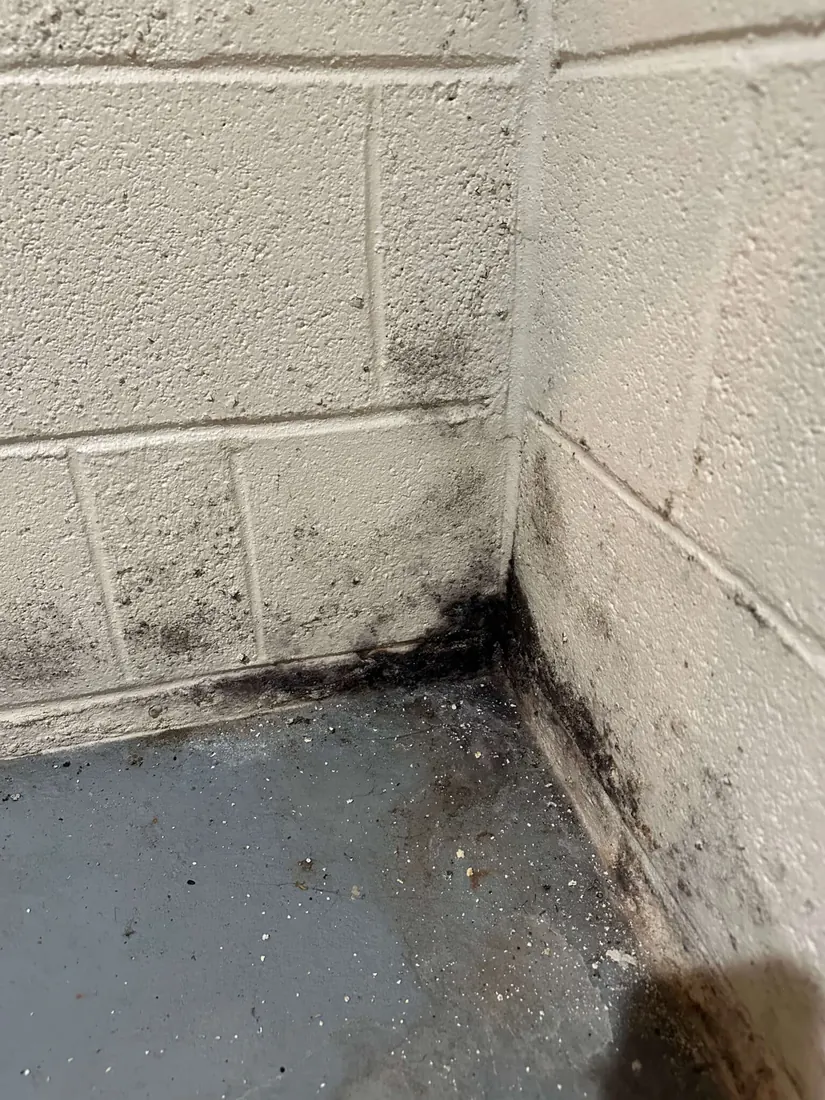
Mold in a damp basement corner where the wall meets the floor, a common odor source
The wall-floor corner stays wet longest after a flood and is a frequent source of lingering odor.

Why Fragrance Alone Backfires

Air fresheners and fogging can cover a smell for a few days while the underlying moisture or mold keeps spreading. When the fragrance fades, the odor is back, and the problem is bigger. We do not promise that treating the smell solves the moisture; addressing the moisture is what solves the smell. Any residual-odor treatment comes last, after the source is genuinely resolved, not as a substitute for the work.

An Illustrative Odor Job

Picture a basement that was cleaned and dried after a flood, but a musty smell lingered for weeks. Rather than fog it, the first step is a moisture and mold check, which finds a wall cavity that never fully dried and a patch of growth behind the baseboard. The cavity is opened and dried, the affected material removed, the area cleaned, and only then is any residual odor treated. The smell does not come back because its cause is gone. This is a representative example, not a specific completed project.

How Odor Removal Fits the Rest of the Cleanup

Odor work is usually a signal to revisit moisture detection, drying, cleaning or mold remediation, because the smell points at something one of those addresses.

Frequently Asked Questions

Why does my basement still smell musty after cleanup?
A lingering musty smell usually means moisture is still trapped somewhere, mold has started, or contamination remains. It is a signal to find and address the source, often hidden moisture in a wall, subfloor or under flooring, rather than to mask the odor.
Will an air freshener or ozone treatment fix flood odor?
Not on its own. Masking or treating the air without removing the moisture or mold behind the smell gives temporary relief while the real problem continues. Odor treatment comes after the source, moisture, mold or contamination, has actually been dealt with.
Does a musty smell mean there's mold?
It can, musty odor is often associated with microbial growth, but not always; it can also be trapped moisture or residual contamination. The source is assessed rather than assumed, which may include a moisture inspection and checking for mold.
How long should it take for flood odor to go away?
Once the source is genuinely resolved, drying completed and any growth or contamination removed, the odor should not return. If it keeps coming back, that is a sign the source was masked rather than fixed, and it needs re-investigation.
Can odor come from the subfloor or inside a wall?
Yes. Trapped moisture in a subfloor, slab or wall cavity is a very common odor source precisely because it is out of sight and easy to miss. Finding it usually requires moisture readings, not just a sniff test.
Is odor removal a separate service or part of the cleanup?
It can be either. On a properly completed restoration, odor is resolved by doing the drying and cleaning correctly. Odor removal as its own service usually means investigating a smell that lingered after an earlier, incomplete job.

Basement Flooded After a Sump Pump Failure?

Tell us your city, water depth, and whether water is still coming in. We'll walk you through safe next steps and check cleanup availability in your area.

☎ (877) 919-1672 Request Basement Flood Cleanup