Emergency basement flood cleanup after sump pump failure, check availability in your area ☎ Call (877) 919-1672
Sump Pump Flood Cleanup Service

Wet Insulation Removal and Replacement After Sump Pump Failure

Insulation inside a flooded wall is out of sight and easy to forget, which is exactly why it causes problems. Saturated fiberglass or other insulation rarely dries inside a closed cavity and holds moisture against the framing. Removing and replacing wet insulation is a small-sounding step that often decides whether a wall truly dries or quietly grows mold behind a finished surface.

Why Wet Insulation Usually Comes Out

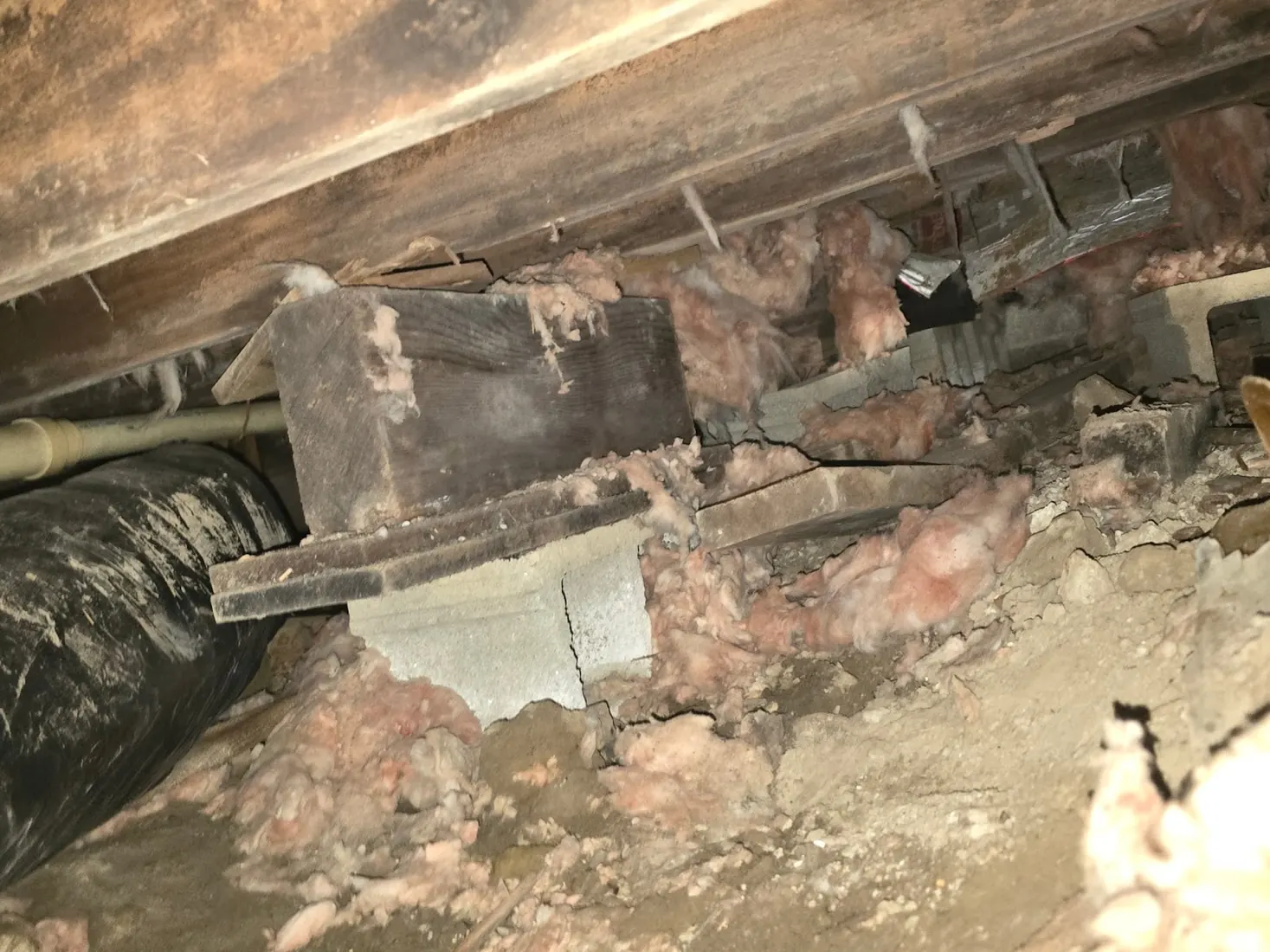
Fiberglass batt insulation holds water and dries extremely slowly inside a closed wall, where there is little airflow. While it stays wet it keeps the framing damp and creates an ideal spot for mold, hidden behind the drywall. Sump pump flood insulation removal takes out saturated insulation so the cavity and framing can dry properly, rather than being sealed up damp.

Whether insulation can be saved depends on the material, the water category and how saturated it is. Lightly affected insulation in a clean-water situation may sometimes be dried; saturated or contaminated insulation is removed and replaced. The honest default for soaked fiberglass in a closed cavity is removal.
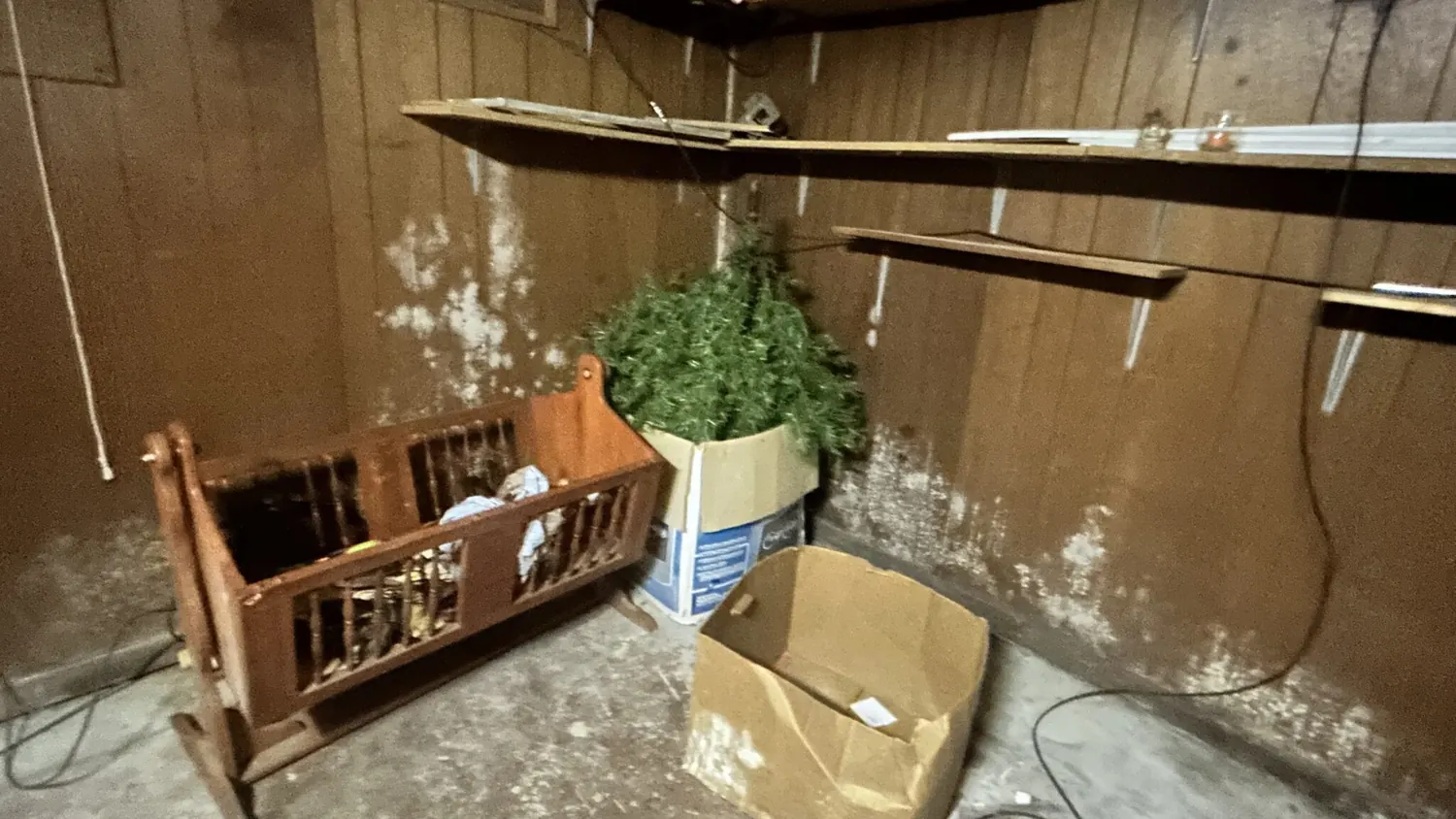
Mold on basement panel walls where trapped moisture, including wet insulation, was not addressed
Insulation left wet in a closed cavity keeps the framing damp and becomes a hidden mold source.

Insulation Types and How They React

InsulationBehavior when wet
Fiberglass battAbsorbs and holds water; dries very slowly in a cavity; usually removed when saturated.
CelluloseHighly absorbent; often compacts and must be removed.
Mineral woolMore water-resistant than fiberglass but still assessed case by case.
Rigid foam boardLow absorption on the board itself; the concern is water trapped against it and the framing.

The Insulation Process, Step by Step

  1. Expose the cavity, usually alongside a drywall flood cut.
  2. Assess the insulation for saturation and contamination.
  3. Remove what cannot be saved, bagging it for proper disposal.
  4. Dry the cavity and framing once the wet insulation is out.
  5. Verify the framing reaches a dry standard.
  6. Install new insulation as part of the rebuild.
Heavy mold growth on wood framing where moisture was trapped against it
Framing stays wet when saturated insulation holds moisture against it, which is why wet insulation usually comes out.

Replacement and Rebuild

Once the cavity is confirmed dry, new insulation is installed and the wall is closed up as part of reconstruction. The replacement is matched to the wall, and we document what was removed and why for your claim and rebuild scope. Removal is mitigation; installing new insulation is reconstruction, and keeping them separate keeps your costs clear.

An Illustrative Insulation Job

Picture a finished basement wall where a flood cut exposed soaked fiberglass batts along the bottom two feet. The wet insulation is pulled and bagged, the framing and cavity are dried with directed airflow, readings confirm the studs hit a dry standard, and then new insulation goes in before the drywall is rebuilt. Leaving the soaked batts in place would have kept the studs damp behind a brand-new wall. This is a representative example, not a specific completed project.

How Insulation Work Fits the Rest of the Cleanup

Insulation removal travels with drywall repair and cavity drying, is part of broader material removal, and the replacement is completed in reconstruction.

Frequently Asked Questions

Can wet insulation dry inside the wall?
Usually not effectively. Insulation inside a closed cavity has little airflow and dries very slowly, keeping the framing damp and risking mold in the meantime. That is why saturated insulation is typically removed so the cavity can dry, rather than left in place.
Does all the insulation have to be removed?
No, only what is saturated or contaminated. Lightly affected insulation in a clean-water situation can sometimes be dried. The removal is scoped to the actual wet area, confirmed by where moisture reached, not a blanket tear-out.
Is insulation replacement part of mitigation or reconstruction?
Removal is mitigation, it comes out so the wall can dry; installing new insulation is reconstruction, it goes back once the cavity is verified dry. They are documented separately so each cost is clear on your estimate and claim.
Does spray foam or rigid foam need removal after flooding?
Foam absorbs little water itself, so the board may not need removal, but water trapped against it and the framing still has to be dried, and contamination can change the decision. It is assessed case by case rather than assumed safe.
Why does wet insulation cause mold?
Because it holds moisture against the framing inside a dark, low-airflow cavity, which is ideal for mold growth. The insulation itself can also support growth. Removing saturated insulation removes both the moisture reservoir and a growth surface.
Will removing insulation leave my basement colder?
Only until it is replaced. New insulation is installed during the rebuild once the cavity is dry, restoring the wall's thermal performance. The temporary removal is what allows the wall to dry safely first.

Basement Flooded After a Sump Pump Failure?

Tell us your city, water depth, and whether water is still coming in. We'll walk you through safe next steps and check cleanup availability in your area.

☎ (877) 919-1672 Request Basement Flood Cleanup