Standing in a flooded basement, a lot of homeowners jump straight to the biggest question: is this worth repairing, should we gut and renovate, or do we just sell and move on? It is a fair question, and the worst time to answer it is in the first hour. The decision gets much clearer once the water is out, the damage is documented, and you can separate what the flood actually did from how it feels.
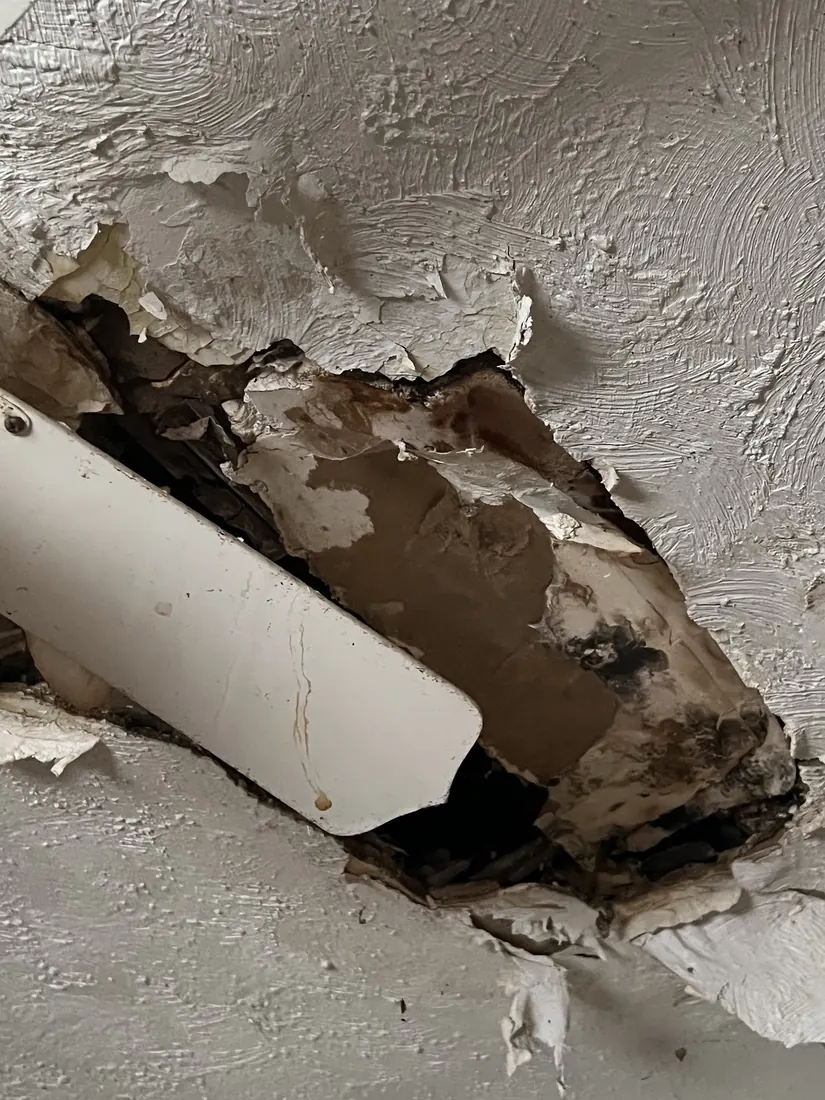
The repair, renovate or sell decision after a sump pump flood should wait until the loss is documented: the water source, what materials were affected, what can be dried versus replaced, and whether there are any structural questions. Repair restores what was damaged; full renovation is a choice to go further; selling is a financial and disclosure decision. None of them should be made from the first emotional reaction to seeing water.
You cannot sensibly compare options until you know the scope. That means the standing water is out, the moisture mapping is done, the material decisions are made (saved versus removed), and any structural question, like cracks in the slab, has been evaluated by the right specialist. The documented scope from a restoration project is what turns an overwhelming mess into a set of comparable numbers.
| Path | What it means | Best when |
|---|---|---|
| Repair / restore | Dry, clean and rebuild what the flood damaged | Damage is contained and the cause can be prevented from recurring |
| Renovate further | Go beyond restoration to redesign or upgrade | You were already planning changes, or finishes are dated anyway |
| Sell | Move on rather than invest in the basement | The numbers, your plans or repeat-flood risk make staying unattractive |
Restoration puts the basement back to its pre-loss condition. Renovation is a separate, optional decision to change or upgrade it. Insurance (where it applies) generally addresses restoring the damage, not funding an upgrade, so it helps to keep the two mentally separate: first understand what restoration costs and covers, then decide whether to spend more on a renovation on top. Our insurance guide covers how coverage is usually framed, and the cost guide covers what cleanup itself runs.
Two things matter beyond the math. First, repeat-flood risk: if the cause is likely to recur and cannot be reasonably prevented, that affects both the decision and any buyer's. Second, disclosure: requirements vary by state, but documenting the loss and the restoration honestly protects you, and a well-documented, properly dried and repaired basement is a stronger position than a hidden or half-addressed one. Keeping the restoration records, moisture logs and what was repaired, is valuable whether you stay or sell.
Every version of this decision rests on the same foundation: an honest, documented picture of what happened and what was done about it. That is the practical reason to insist on a restoration project that leaves you with records, moisture readings, decisions and verified-dry confirmation, rather than a quick pump-out. Whether you repair, renovate or sell, that record is the asset that makes the choice defensible.
This guide is general information for US homeowners, not a property-specific diagnosis, a pump-repair manual, a structural or electrical assessment, or insurance advice. Water category, salvage, drying time, cost and coverage depend on your specific situation and policy. MH Restoration provides cleanup and water damage restoration; pump, plumbing, electrical and drainage repairs are separate trades.
Tell us your city, water depth, and whether water is still coming in. We'll walk you through safe next steps and check cleanup availability in your area.
☎ (877) 919-1672 Request Basement Flood Cleanup