If a restoration company is coming to your flooded basement, it helps to know what they will actually do and roughly how long it takes, so you can tell a thorough job from a rushed one. The work runs in a defined sequence, and the single most useful thing to understand is that drying ends when the structure is verified dry, not on a date someone promised up front.
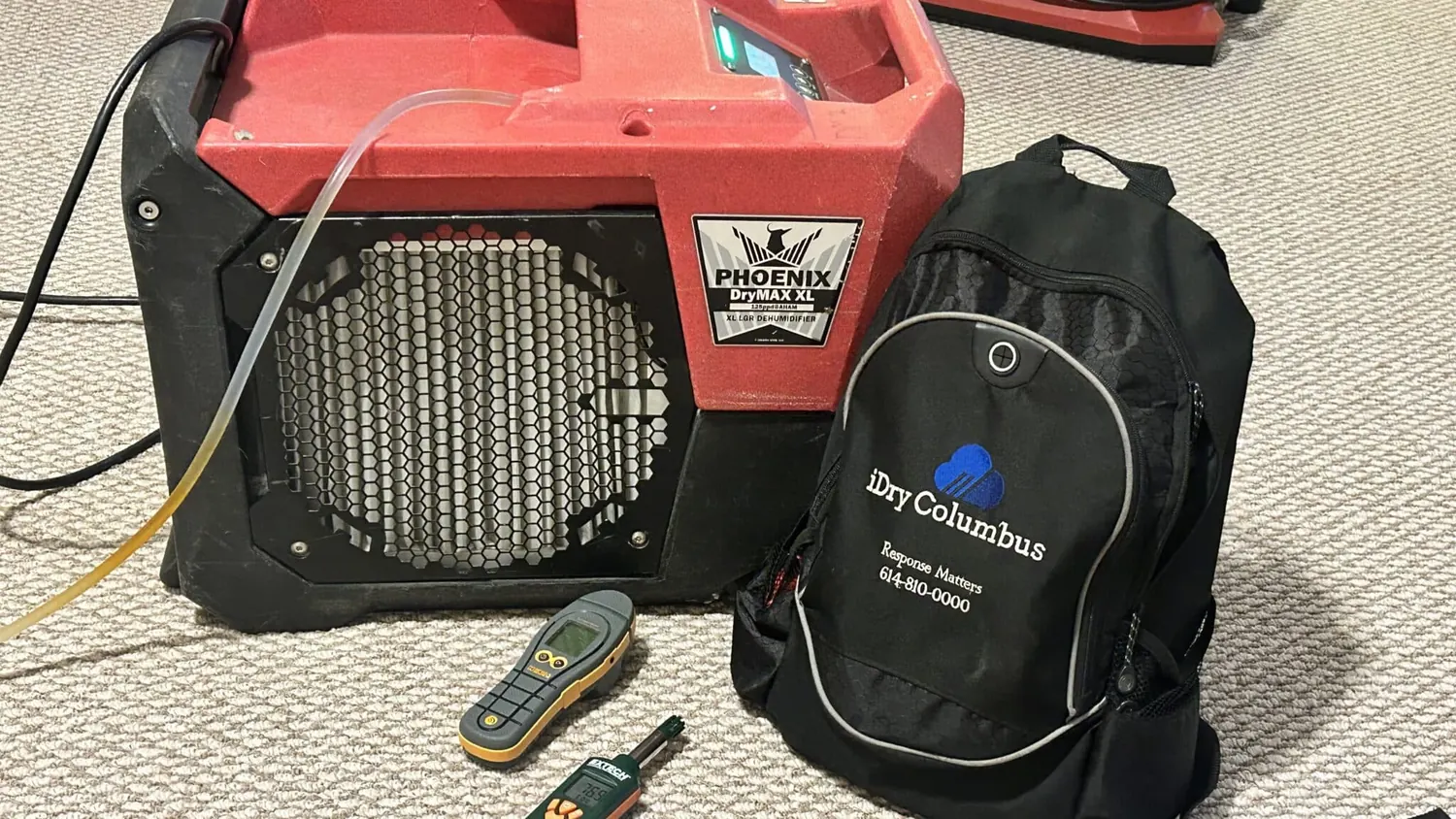
A sump pump flood restoration runs in stages: inspection and documentation, water extraction, material decisions, structural drying, cleaning, and verification that the structure is dry. Reconstruction, rebuilding what was removed, is a separate stage that follows. There is no universal timeline; mitigation commonly runs several days of monitored drying, and a heavily saturated finished basement takes longer.
These are two different phases, and understanding the split keeps your costs clear. Mitigation is the emergency work that stops the damage spreading, extraction, drying, cleaning, removal. Reconstruction is putting the basement back together, new drywall, flooring, trim and paint, and it is usually quoted separately. Mitigation starts immediately; reconstruction starts only once the structure is verified dry. Some homeowners complete mitigation under urgency and stage the rebuild around their insurance settlement.
| Factor | Effect on duration |
|---|---|
| How saturated the materials are | More saturation, longer drying |
| Materials involved | Concrete and dense assemblies release moisture slowly |
| Water category | Contamination adds containment, removal and cleaning |
| Area affected | Larger area, more equipment and monitoring |
| Reconstruction scope | Separate phase, separate timeline |
Anyone who promises an exact drying date up front is guessing. The honest answer is "until the readings say it is dry," which is why documented monitoring matters. For the drying mechanics in depth, see how to dry a basement after sump pump failure; for what it costs, sump pump flood cleanup cost.
A proper restoration project leaves you with records, not just dry floors: the inspection and photos, the moisture map and daily readings, equipment and monitoring logs, the material-removal decisions, and final readings showing the structure hit its dry standard. That documentation is what supports your insurance claim and tells you the basement is genuinely ready to rebuild.
This guide is general information for US homeowners, not a property-specific diagnosis, a pump-repair manual, a structural or electrical assessment, or insurance advice. Water category, salvage, drying time, cost and coverage depend on your specific situation and policy. MH Restoration provides cleanup and water damage restoration; pump, plumbing, electrical and drainage repairs are separate trades.
Tell us your city, water depth, and whether water is still coming in. We'll walk you through safe next steps and check cleanup availability in your area.
☎ (877) 919-1672 Request Basement Flood Cleanup