Once a sump pump fails, the first instinct is to get the water out, and that instinct is right, with two important caveats. The method should match the depth and the hazards, and removing the water you can see is only the opening move. The moisture that soaked into your floors and walls is what actually decides whether the basement recovers cleanly.
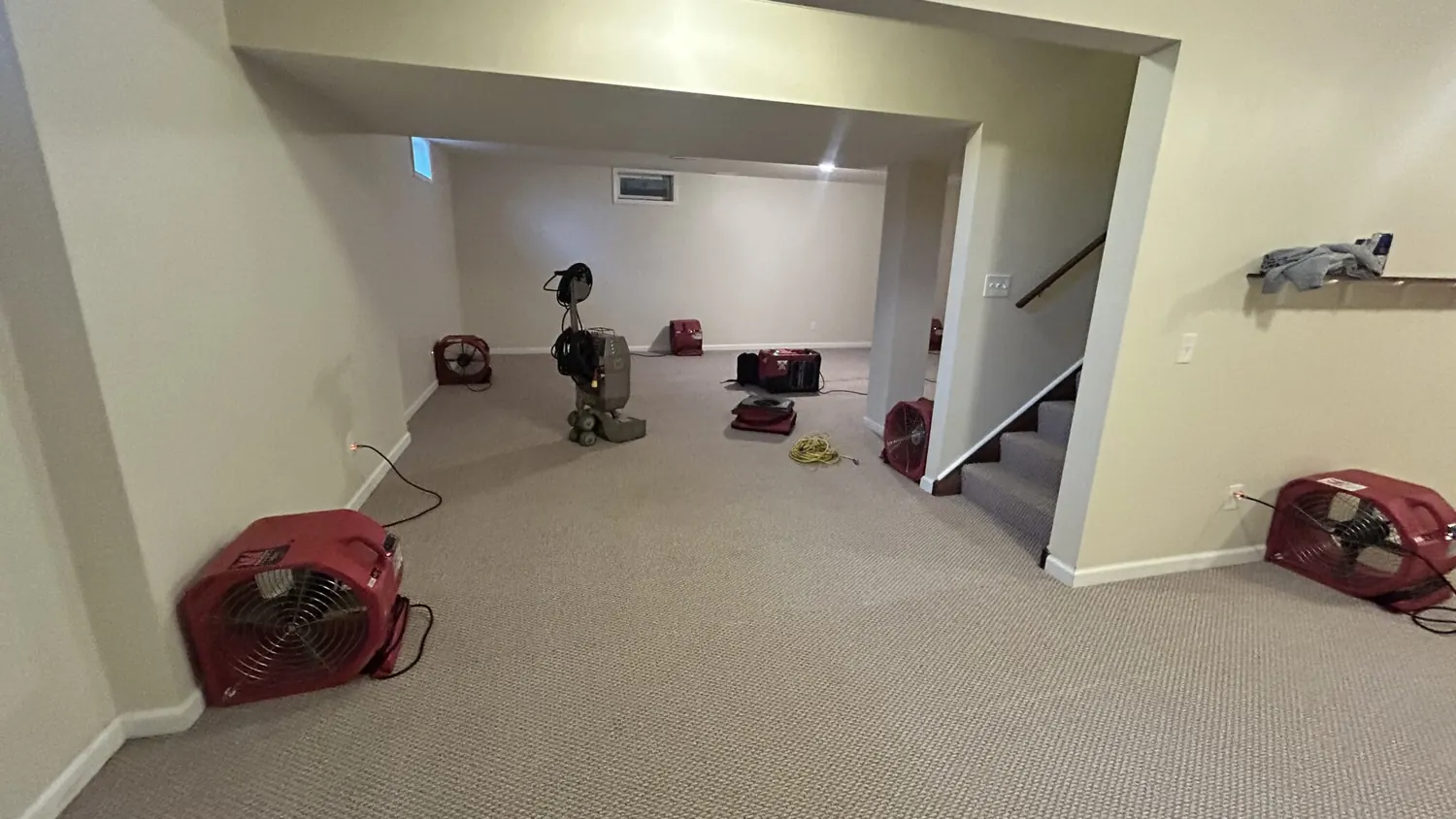
How you remove basement water after a sump failure depends on the depth, the power situation and whether the water is contaminated. A wet/dry vacuum suits a thin, clean, confirmed-safe layer; a submersible utility pump or professional extraction handles deeper water. Never use electrical equipment in water that could be energized, and for deep flooding over saturated ground, remove water in a controlled way rather than all at once.
| Situation | Reasonable approach |
|---|---|
| A thin layer, clean water, electrically safe | Wet/dry vacuum rated for water, mopping, then aggressive drying. |
| Several inches, standing | Submersible utility pump to a safe discharge point, then extraction of what remains. |
| Deep water, storm-related, saturated soil outside | Controlled, professional removal, rapid pumping can stress walls and floor. |
| Any contamination suspected | Stop; treat as contaminated water with proper controls. |
A single inch across a finished basement is enough to soak carpet pad, wick a few inches up the drywall and settle into the subfloor and slab. Those materials release moisture slowly and sit wet long after the floor looks dry. That is why "I got the water out" is not the finish line, and why a basement that looks clear can still be a mold problem in the making.
This is the distinction the whole restoration industry is built on. Extraction removes the bulk liquid water. Structural drying then removes the moisture held inside materials, using air movers and dehumidifiers, and is verified with moisture readings against a dry standard. Both are usually needed. If you are weighing whether to handle it yourself, the DIY versus professional guide lays out where the line is, and how to dry a basement after sump pump failure covers the drying side in detail.
This guide is general information for US homeowners, not a property-specific diagnosis, a pump-repair manual, a structural or electrical assessment, or insurance advice. Water category, salvage, drying time, cost and coverage depend on your specific situation and policy. MH Restoration provides cleanup and water damage restoration; pump, plumbing, electrical and drainage repairs are separate trades.
Tell us your city, water depth, and whether water is still coming in. We'll walk you through safe next steps and check cleanup availability in your area.
☎ (877) 919-1672 Request Basement Flood Cleanup